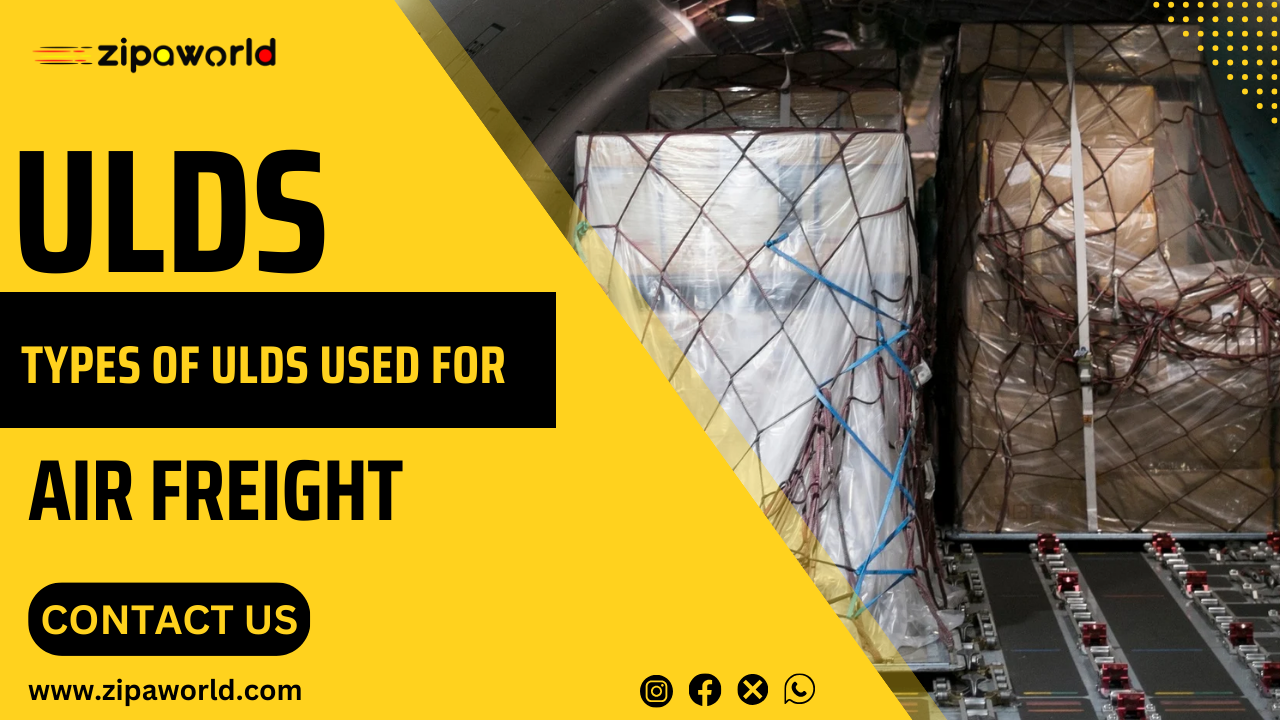
ULDs: Types of ULDs Used for Air Exports
A ULD, or unit load device, is a pallet or container that is used to load cargo, luggage, or documents on an aircraft. ULDs help to optimize the use of space and weight on an airplane, as well as protect the cargo from damage and theft. They are used to consolidate cargo, which makes it easier and more efficient to load and unload aircraft. ULDs also help protect cargo from damage during shipping. So, this is the general meaning of ULD. Now, let's understand ULDs from the perspective of an exporter or importer.
If you are an exporter or importer, are you aware of how your cargo is being loaded on an aircraft?
Normally, narrow-body aircraft have manual loading, where the person picks up the box and loads it on the aircraft; technically, they are not using any tools to load the cargo.
In wide-body aircraft, there are normally two major types of equipment, which are pallets and containers, and then there are many sub-types of equipment that are being used to load the cargo. These unit load devices often help the carrier reduce handling, theft, and indeed, faster loading of the consignment on an aircraft, which results in a better turnaround time.
Two major types of ULDs
- Pallets: Pallets are usually made of aluminum or steel and are in the form of sheets that have locks on the edges that enable them to fit on the floor of the aircraft, which in turn prevents damage to the cargo. They require less labor force as they are very light as compared to the containers.
- Containers: As the name suggests, containers are enclosed boxes that provide extra protection to the cargo due to their shape. Containers are usually made of aluminum, fiberglass, or plastic, and they have doors or lids that can be opened or closed, according to the requirements. Containers are suitable for fragile or sensitive cargo that requires protection from the environment, such as temperature, humidity, or pressure.
After understanding the two major types of ULDs, let's now understand the certified aircraft ULDs and the ULD regulations.
ULD Regulations
ULD regulations are the set of rules and standards that govern the design, manufacture, repair, maintenance, and operation of unit load devices. These are the guiding principles for standardized global operations of all unit-load devices. It ensures that no matter what airline, what airport, or what freight forwarder is handling an aircraft ULD, the strictest safety regulations are consistently followed. The International Air Transport Association (IATA) publishes the ULD Regulations, which are the most widely accepted set of ULD standards in the world. The ULD regulations are based on the requirements of the International Civil Aviation Organization (ICAO).
Certified Aircraft ULDs
A certified aircraft ULD is a unit load device that has been designed, manufactured, and tested to meet the airworthiness standards of a civil aviation authority, such as the Federal Aviation Administration (FAA) or the European Aviation Safety Agency (EASA). These authorities ensure that ULDs meet the minimum performance standards required for installation aboard an aircraft.
The certification process for ULDs is rigorous and involves a number of tests to ensure that the devices meet the required safety standards. Once a ULD has been verified, it is issued a certificate by the airworthiness authority.
Conclusion
ULDs are essential tools for the air freight industry, as they help optimize the loading and unloading of cargo on an aircraft. There are different types of ULDs that are used for air exports, depending on the size, shape, and nature of the cargo. By choosing the right type of ULD for your cargo, you can ensure its safety and efficiency during transportation.