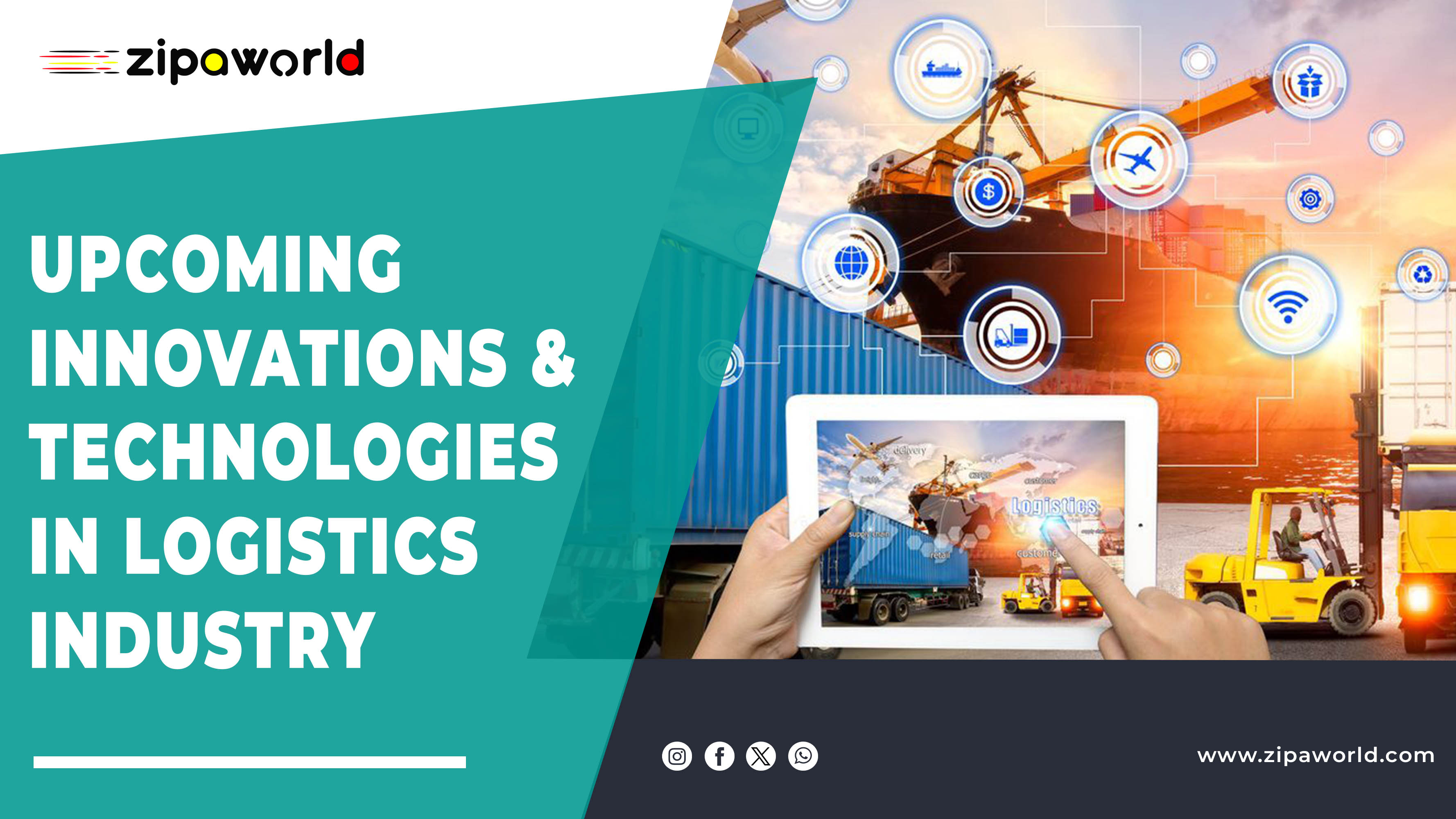
Logistics industry: New trends and innovations in the industry
In an ever-evolving world, every industry needs to update and evolve with time. Nobody wants to stick to the traditional methods of receiving goods or services. And in the race to adopt innovative technologies, the logistics industry is constantly matching the pace of other sectors. In this blog, we will focus on the new innovative technologies that either the logistics industry has already inculcated in their processes or is planning to adopt in the future.
New trends in the logistics industry
- Artificial Intelligence: AI is nowadays being used in every sector of the industry; it is not only an innovation but a necessity. If this technology is inculcated with machine learning, it can help businesses increase their efficiency. AI can be used to improve supply chain visibility and forecasting, which can help businesses improve customer service and reduce costs.
- Blockchain technology: Blockchain technology is used to track shipments, verify authenticity, and improve traceability by eliminating third-party verification and, in turn, making the whole supply chain process more reliable and traceable. This technology enables various stakeholders to access the whole supply chain process, which makes the whole supply chain process more transparent.
- Last-mile deliveries and warehouse management systems using drones and robotics: Drones and robots can be used to manage warehouses and deliver the goods to their final destination. The integration of these technologies in the supply chain will not only enhance the efficiency of businesses but will also help them reduce the costs that are incurred during the last-mile delivery of goods.
- Green logistics: Green logistics is not only an innovation but a need of the hour due to the rise in global warming and environmental pollution. The logistics industry can participate in sustainable development by using vehicles that do not emit harmful gases, reducing its reliance on fossil fuels, and reducing its carbon footprint.
- Cloud computing: Cloud computing offers a holistic view of the supply chain by displaying detailed analytics and information. It can help businesses predict market changes and make transformations in the supply chain accordingly. It gives the stakeholders a better insight into the whole process of the shipment of the goods, as all the information is stored and a database is maintained.
- Big data analytics: Big data analytics can help businesses decide the best delivery route and fleet market. It is an aggregation of data obtained from monitoring various factors like weather, traffic, etc. This technology can help businesses become more efficient and optimize their business operations.
- Internet of Things: The Internet of Things is the technology that is used to connect physical objects with the internet and would help ease the tracking, monitoring, and transferring of data through the internet. It enhances transparency by communicating between the different departments of the supply chain and enabling them to access real-time data.
These are some of the recent trends in the logistics sector. Now you must be wondering if the logistics sector is really adapting to these innovations. The answer is yes. You can take the example of Zipaworld Innovation Private Limited, which has either adapted these trends or is on the way to adapting them. Zipaworld is already using artificial intelligence in the processing of various shipments. The company is also using blockchain technology, cloud computing, and big data analytics and is trying to implement green logistics in its processing by reducing carbon emissions. It is also implementing a policy where stakeholders can contribute to a sustainable future by donating some amount towards environmental protection.
Innovation is a driving force for any sector nowadays, and the logistics industry is also adapting these innovations to improve its efficiency and give customers a better experience. These innovations will not only help the logistics industry grow but will also help it save cost, time, and energy.