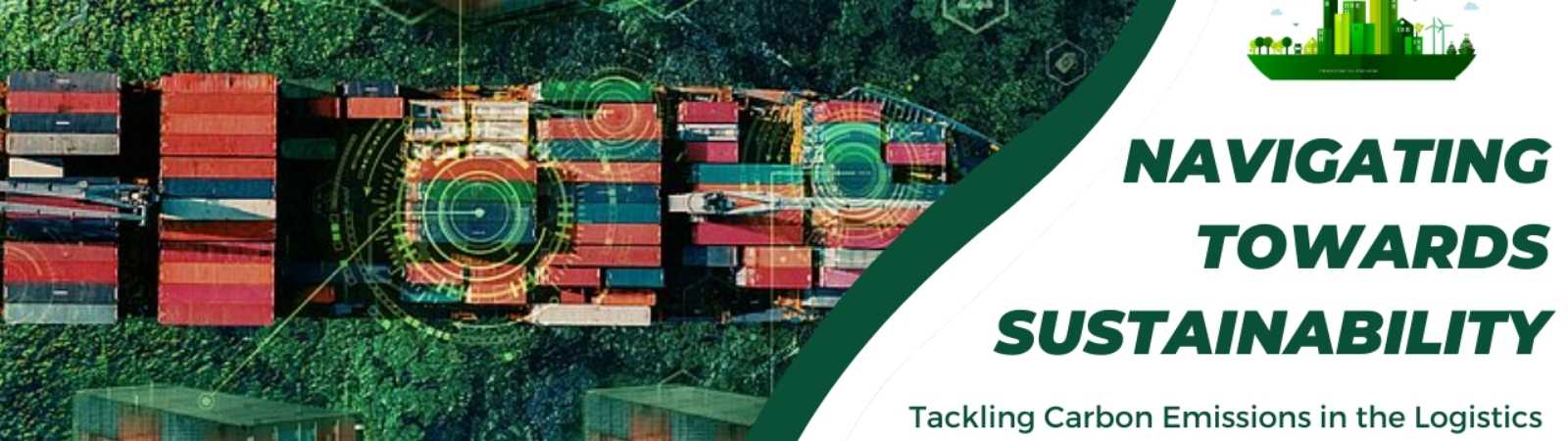
Navigating Towards Sustainability: Tackling Carbon Emissions in the Logistics Sector
In an era where environmental concerns have taken center stage, the impact of carbon emissions on our planet cannot be ignored. Carbon emissions, primarily in the form of carbon dioxide (CO2) and other greenhouse gases, are key contributors to global warming and climate change. One sector that significantly contributes to carbon emissions is the logistics industry.
Carbon Emission and Logistics: Unveiling the Connection
The logistics industry is an intricate web that enables the smooth movement of goods across vast distances. However, this industry's operations often rely heavily on fossil fuels, resulting in substantial carbon emissions. From freight transportation to warehousing and distribution, various stages within the logistics process release carbon emissions into the atmosphere. Understanding the correlation between logistics operations and carbon emissions is crucial to devising effective solutions.
Major Causes of Carbon Emissions in the Logistics Industry
- Transportation: The backbone of logistics, transportation, is a major contributor to carbon emissions. Trucks, ships, airplanes, and trains powered by fossil fuels release significant amounts of CO2 and other pollutants. The dependence on these modes of transportation, coupled with inefficient route planning and underutilized capacities, exacerbates the issue.
- Inefficient Warehousing: Warehouses play a pivotal role in storing and distributing goods. However, inefficient warehouse practices, such as excessive energy consumption, poor inventory management, and improper insulation, can lead to higher energy consumption and subsequent emissions.
- Last-Mile Delivery: The final stretch of delivery from a distribution center to the end consumer, known as last-mile delivery, is notorious for its inefficiencies. Multiple trips due to failed delivery attempts or poor route optimization contribute to needless carbon emissions.
Practices to Reduce Carbon Emissions in Logistics
- Transition to Sustainable Fuels: Embracing alternative fuels such as biofuels, electric, and hydrogen-powered vehicles can drastically reduce carbon emissions. Companies can gradually shift their fleet to eco-friendly options, ultimately leading to a greener transportation network.
- Optimized Route Planning: Employing advanced route optimization software helps streamline delivery routes, minimizing distance traveled and fuel consumption. This not only reduces emissions but also saves time and money.
- Multimodal Transportation: Integrating various modes of transportation like rail and waterways can lower emissions by choosing the most efficient mode for different legs of the journey.
- Green Warehousing: Implementing energy-efficient technologies, utilising solar power, improving insulation, and adopting automation can significantly cut down emissions associated with warehousing operations.
Digital Logistics For Carbon Emission Reduction
Embracing technology-driven strategies can play a pivotal role in minimizing carbon emissions in logistics operations. Incorporating digital logistics practices aligns with the overarching goal of reducing carbon emissions across the logistics industry. These strategies not only contribute to environmental sustainability but also enhance operational efficiency and competitiveness
Empowering Companies: Carbon Calculator
For companies looking to proactively manage their carbon emissions, adopting a carbon calculator is invaluable. These tools allow organisations to quantify their carbon footprint, enabling better decision-making. One such tool is the "Carbon Emission Calculator for Logistics," which takes into account various factors like transportation modes, distances, and load capacities to provide a comprehensive overview of emissions.
Conclusion: Paving the Way for a Sustainable Future
The logistics sector's impact on carbon emissions is undeniable, but it also presents an opportunity for positive change. By addressing major contributors to carbon emissions through sustainable practices, the industry can significantly reduce its environmental footprint. Embracing alternative fuels, optimizing operations, and leveraging carbon calculators are steps toward a more sustainable future.