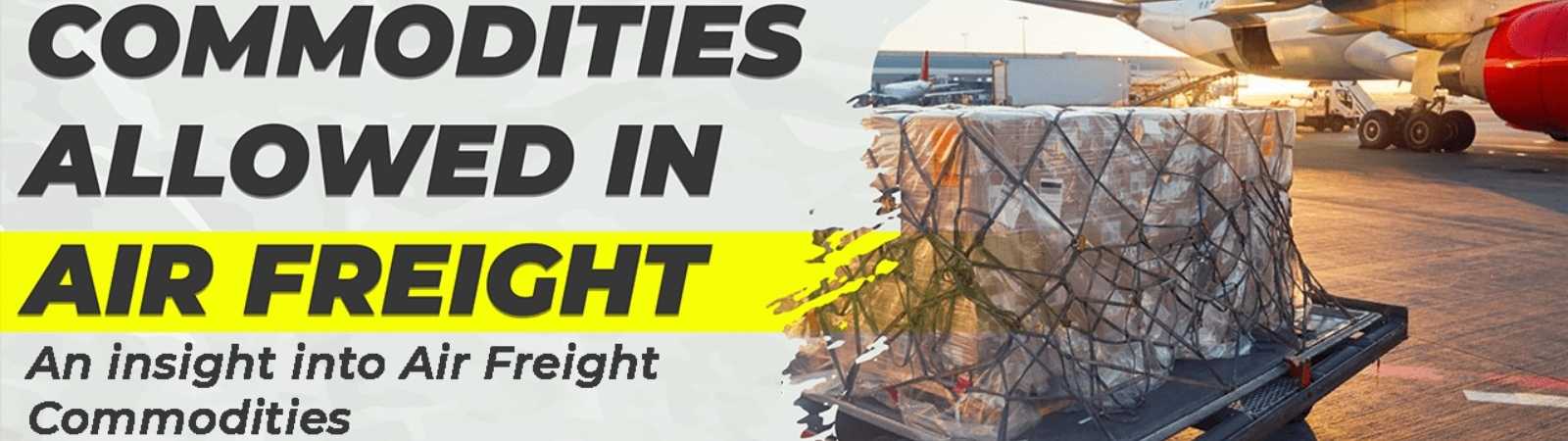
Air freight commodities: An insight into the commodities allowed in air freight
The stakeholders rely heavily on the shipping lines for the safe and secure transportation of goods. Air freight is one of the most popular methods of transport in the world of international trading. It is considered one of the most reliable methods of transport; however, not all kinds of goods are transported via air because of safety regulations, security concerns, and practical limitations. In this blog, you will get to know about the cargo that is allowed in air freight and the major factors that influence its inclusion.
Major Types of Cargo Allowed Inside a Cargo
General cargo: The cargo that does not require any special precautions while handling or loading these goods. This category includes all major types of consumer and retailer goods, all types of households, office commodities excluding electronics, and leisure items like garments, textiles, etc.
Special cargo: This category of cargo includes all types of cargo that require special attention during packaging, handling, documentation, and labeling due to their nature, temperature, weight, dimension, and value. They can be dangerous commodities, temperature-controlled commodities, pharmaceutical cargo, etc.
Let's understand each of them separately.
- Dangerous commodities: This category of commodity holds substances that are dangerous or hazardous due to their nature and can pose a risk to people, property, and health while being transported through the air.
- Temperature-controlled commodities: The substances that need to be transported by air in temperature-controlled units. They include both refrigerated and frozen commodities that require specific regulations and controls on the temperature during transportation.
- Perishable cargo: Perishable cargo includes all the vegetable and eatable products that need to be handled carefully and transported in a shorter period of time in temperature-controlled units.
- Pharmaceutical cargo: Pharmaceutical cargo includes special kinds of drugs that need to be transported via air in a shorter span of time for medical purposes. Pharmaceutical goods are transported by air in the shortest time possible.
- Fragile cargo: These cargoes require a lot of attention due to their fragile nature during storage, packaging, and transportation. Some of the examples include glass, laboratory equipment, musical instruments, marble tiles, etc., which require special attention to prevent stacking, breaking, or shattering.
- Liquid or fluid cargo: This category of cargo includes all products that are liquid or fluid in nature. They can include liquid in watertight containers, frozen meat, and fish, which are packed in ice. Their packaging should be secure and prevent any leakage during shipment.
- Live animal cargo: This category includes a wide variety of life stocks, from pets to expensive fish and exotic animals. They can also include agricultural animals, horses, and food animals that need to be transported carefully by following the animal shipment regulations, which state that live stocks should be placed in an animal-specific container.
- High-value or precious cargo: This includes cargo that is of very high value or precious, including gemstones, pearls, gold, ornaments, etc. Valuable cargo needs secure packing, documentation, and careful handling during transportation.
Very special cargo: These kinds of cargo need very special care during transportation because of their nature, dimension, value, etc. Let's understand a few of the very special cargoes in detail.
- Human remains cargo: As the name suggests, this kind of cargo includes human remains that need to be packed in a coffin and transported via air. This is categorized under a very special category because of the risk of infection and body fluid leakage during transportation.
- Weapons cargo: The transportation of weapons needs very high security. The weapons should be packed in the protected factory packing that should be unloaded and sealed together. Such shipments should be recognized as dangerous goods by declaring the cargo in accordance with the UN Number of explosive materials, and they should be processed with a separate air waybill.
- Diplomatic cargo: These cargoes are specially assigned for the transportation of items that are consigned to government officials and need very special attention.
By now, you must have an understanding of the types of cargo that are transported via air. Now, let's understand several factors that determine the inclusion of cargo in air freight.

Factors that Determine the Inclusion of Cargo in Air Freight
- IATA regulations: The International Air Transport Association is the concerned authority that establishes guidelines and regulations for the transportation of cargo through air freight. So, IATA decides whether a cargo will be transported via air freight or not.
- Safety regulations: Safety regulations are followed during the transportation of cargo. Hazardous and flammable substances are either prohibited or transported with extra care through the air. So, safety regulations generally determine the inclusion of cargo in air freight.
- Packaging and handling: The cargo that is transported through the air must be packaged and handled with respect to its nature and safety standards.
- Temperature sensitivity: The perishable commodities and the temperature-sensitive cargo must be transported in temperature-regulated units. So, temperature sensitivity also determines the inclusion of cargo in air freight.
Air freight is considered the most reliable and safe mode of transport for a variety of commodities that meet the safety standards of the IATA. While the list of permissible goods is extensive, it's essential to adhere to safety regulations, security protocols, and industry guidelines to ensure a smooth and secure cargo journey. In the age of technological advancement, air freight remains a critical player in the transportation of cargo.
Read more- https://zipaworld.com/blog/how-air-freight-forwarders-handle-different-shipments