Atal Setu: Mumbai Logistics & Air Freight
In what ways does the improved connectivity to Mumbai International Airport and Navi Mumbai International Airport through Atal Setu benefit road transporters, specifically in terms of faster movement of goods and reduced transit time for air freight?
Hello, everyone! In the dynamic landscape of transportation and connectivity, the recent addition to India's infrastructure, the Atal Setu, is making waves. This groundbreaking project, officially named the Shri Atal Bihari Vajpayee Trans Harbour Link, is not just a bridge; it is a game-changer for the logistics industry as well.
Let us get into the details.
Unveiling Atal Setu
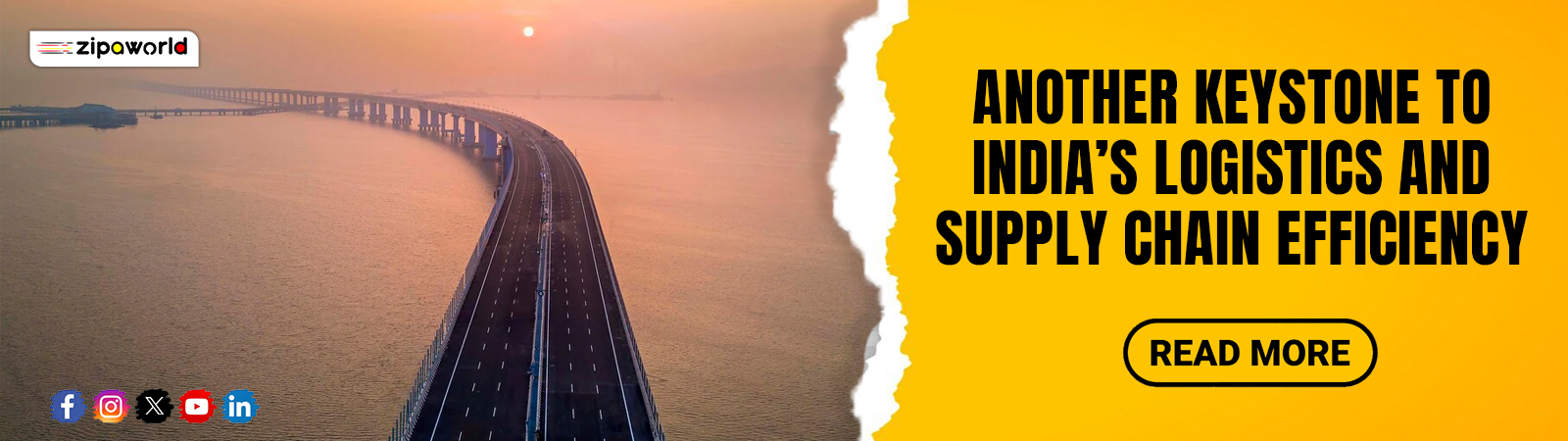
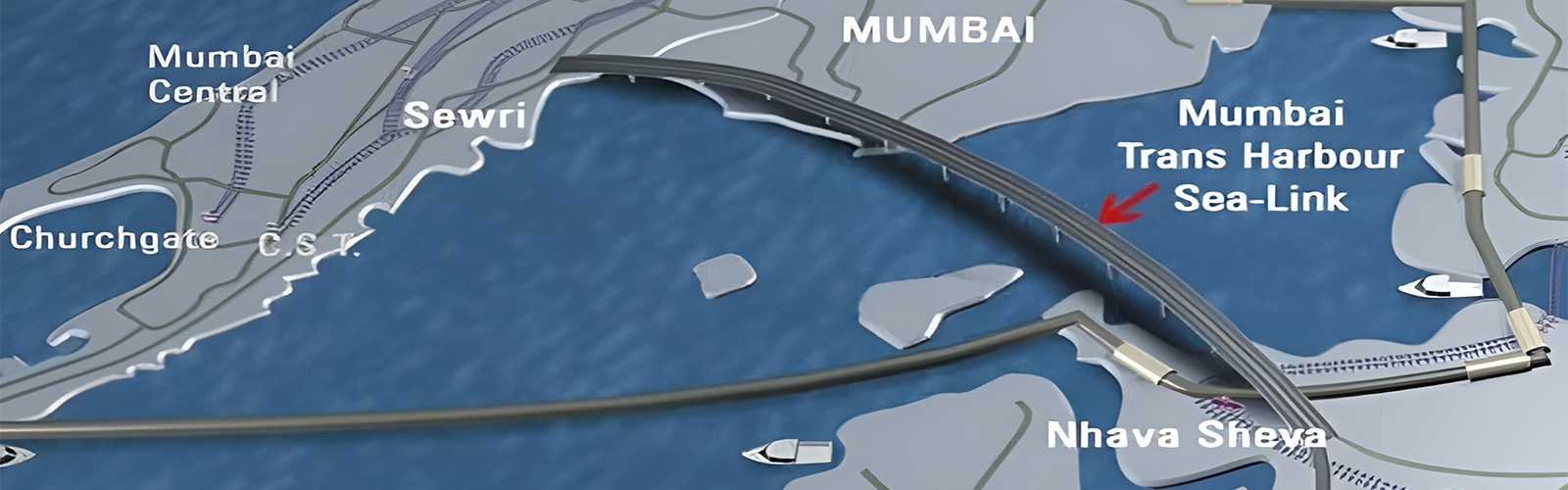
The Atal Setu, spanning 21.8 km and costing over Rs 17,840 crores, is a six-lane trans-harbour bridge connecting Mumbai with its satellite city, Navi Mumbai. Named after the visionary leader Atal Bihari Vajpayee, this engineering marvel boasts a 16.5 km sea link, making it the longest sea bridge in India and the longest overall bridge in the country.
The bridge is a testament to India's infrastructural strength and could play a major role in transforming the movement of goods across the region.
Atal Setu Across India
The Atal Setu is not the only one of its kind; it joins the league of four other iconic bridges in Mumbai (Bandra-Worli Sea Link), Allahabad (Naini), Kolkata (Hooghly), and Jammu & Kashmir (Ravi).
However, what sets Atal Setu apart is its strategic location and the impact it promises on logistics and supply chain operations.
Benefits for the Logistics Sector
1. Reduced Travel Time
The Mumbai Trans Harbour Link (MTHL) significantly cuts down travel time between South Mumbai and Navi Mumbai, turning a nearly 2-hour journey into just 20 minutes. This time-saving factor translates into higher productivity and efficiency.
The government’s vision to improve mobility is expected to reduce travel time between Mumbai, Goa, Pune, and southern states as well.
2. Trade Opportunities and Investments
The bridge is expected to open new trade opportunities by attracting investments in Navi Mumbai’s Jawaharlal Nehru Port (JNPT).
Proximity to JNPT and direct access to South Mumbai can stimulate investments in warehousing, cold storage, and value-added logistics services, driving economic growth.
3. Improved Port and ICD Operational Efficiency
Post construction of Atal Setu, expected traffic flow improvements will enhance efficiency at ports and ICDs.
This will streamline supply chains, reduce operational costs, and improve global competitiveness.
4. Employment Opportunities
The Atal Setu project highlights India’s infrastructure capabilities and supports the vision of a “Viksit Bharat” (developed India).
It has engaged approximately 17,000 labourers and 1,500 engineers, generating employment in transportation and construction sectors. Additionally, improved infrastructure will boost logistics and warehousing job creation.
5. Environmental Impact and Sustainability
Decongestion of existing road networks reduces environmental impact and improves operational sustainability of ports.
Atal Setu is expected to optimize logistics operations, contributing to a greener and more efficient supply chain ecosystem.
Looking Ahead
From a supply chain perspective, the Mumbai Trans Harbour Link is a gateway to a more connected, efficient, and sustainable future.
Its success is measured not only in engineering excellence but also in the transformation it brings to logistics and supply chain performance across the region.