Understanding FCL – An Insight Into Ocean Freight
Are you a frequent shipper dealing with large cargo volumes, especially if your goods are delicate or prone to damage? If so, consider becoming an FCL shipper.
Let's get started to explore the details of FCL shipments and how they can simplify your cargo shipping process.
What Does FCL Mean?
FCL, or 'Full Container Load,' is a shipping practice within ocean freight where an entire container is booked by a business or individual for their cargo. The two standard container sizes are 20 feet (20') and 40 feet (40'), each catering to different needs
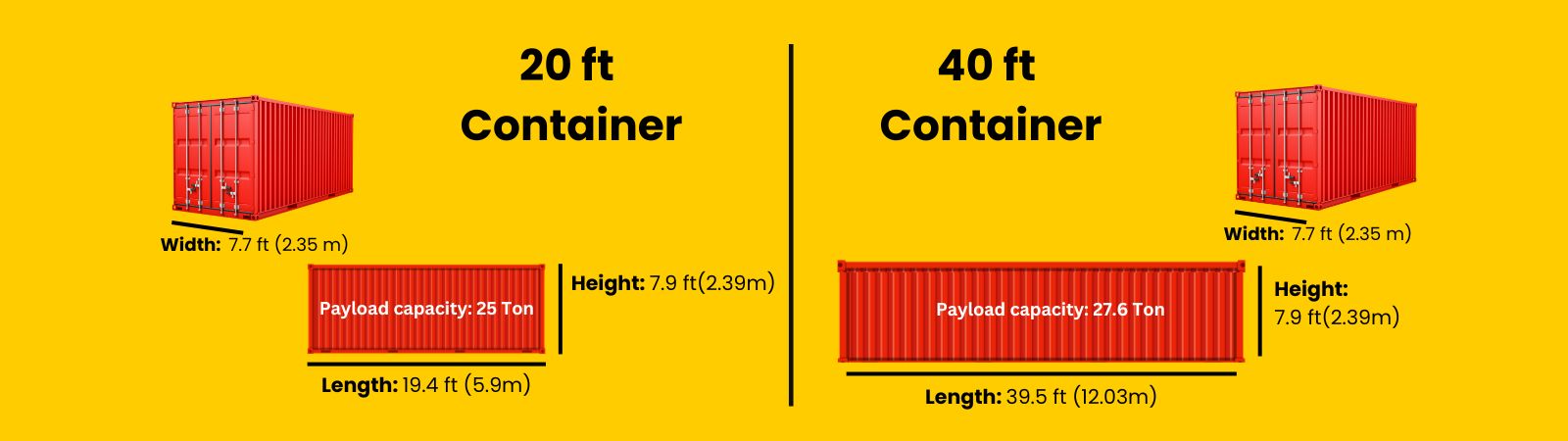
20 Feet (20') Container:
Usage: Ideal for shipments that are smaller in volume but still substantial. It suits businesses with moderate cargo requirements.
Benefits: Cost-effective for those with less cargo but who still require the advantages of FCL, such as reduced handling and enhanced security during transit.
40 Feet (40') Container:
Usage: Suited for large cargo volumes and businesses with extensive shipping needs. It is the go-to choice for those looking to maximize container space.
Benefits: Efficient for transporting bulk cargoes in a single consignment, minimizing the chances of damage. Economical for high-volume shipments due to its larger capacity.
Choosing between a 20 ft and 40 ft container depends on the volume and nature of the cargo. For businesses with substantial shipping needs, the 40 ft container provides economies of scale, while the 20 ft container offers flexibility and cost-effectiveness for smaller Ocean freight Shipments.
Benefits of FCL Shipments
1. Time and Cost Efficiency: FCL shipments are more time and cost-effective compared to air freight and Less than Container Load (LCL) options due to fewer transits.
2. Single Handling Efficiency: FCL allows for efficient transport of bulk cargoes as they undergo single handling, minimizing the risk of damage.
3. Transparent Pricing The shipping cost for FCL is container-based, not cubic meter-based as in LCL. This simplifies logistics cost calculations.
4. Enhanced Tracking: FCL offers better container tracking options than LCL, ensuring visibility throughout the shipment process.
Drawbacks of FCL Shipments
1. Not Suitable for Small Volumes: FCL is not ideal for importers and exporters dealing with smaller cargo volumes.
2. Limited Flexibility: Irregular shipments may not fully utilize the benefits of FCL.
3. Time Considerations: If time is not a crucial factor, and you have flexibility in your shipping schedule, LCL might be a more suitable choice.
4. Nature of Goods: If your goods are not delicate and do not require special care, LCL or FCL may be chosen based on other factors.
Understanding FCL Costs
FCL costs are straightforward, with a flat rate applied to the entire shipment. This simplifies budgeting for logistics expenses. In contrast, LCL shipments are priced based on cubic meters. Opt for FCL if your cargo occupies space exceeding 13 cubic meters, and choose between 20 feet and 40 feet container sizes based on your specific requirements.
In conclusion, FCL emerges as an optimal solution for shippers handling large cargo volumes, particularly when dealing with delicate items prone to damage. The time and cost efficiency of FCL, compared to alternatives like air freights and LCLs, make it an attractive choice for businesses with substantial shipping needs. The streamlined pricing structure, based on container rates rather than cubic meters, simplifies logistics cost calculations and budgeting. When considering FCL shipments, partnering with a reliable ocean freight forwarder can further streamline the process, ensuring your cargo is managed efficiently from origin to destination.
Read here about the types of containers used in Ocean Freight