Omicron's Impact on India's Supply Chains: Zipaworld Insights
Introduction: A New Wave of Economic Uncertainty
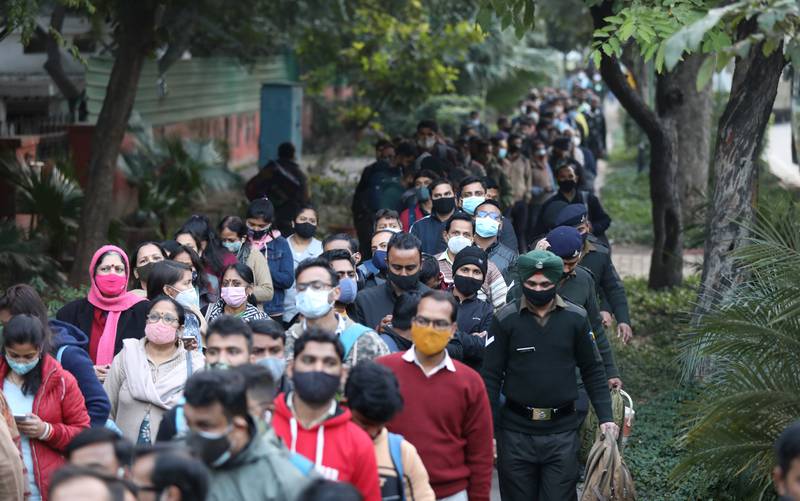
The rapid spread of the Omicron COVID-19 variant across India’s population of over 1.3 billion has raised serious concerns about economic stability and recovery. As businesses were beginning to recover from the pandemic-induced slowdown, the emergence of a new variant has once again created uncertainty across industries.
From supply chain disruptions to inflationary pressure, the impact is being felt across logistics, manufacturing, trade, and consumer demand. According to Zipaworld logistics insights, global uncertainty directly affects freight movement, export-import cycles, and overall supply chain efficiency.
Economic Growth Under Pressure from Omicron
Economic experts indicate that Omicron could slow India’s recovery in the first half of 2022. Rising infection rates and potential restrictions may weaken business activity across key sectors.
Key concerns include:
- Slower GDP growth momentum
- Reduced consumer demand
- Disruption in production cycles
- Supply chain bottlenecks
According to global analysts, inflationary pressure may intensify due to restricted movement of goods and rising logistics costs.
India’s Recovery Journey After COVID-19
India experienced a sharp economic contraction in 2020 due to strict lockdown measures. However, recovery began in 2021 with strong rebound growth despite the second wave of infections.
Key economic indicators:
- GDP growth of 8.4 percent in the September quarter
- Strong rebound in manufacturing and services
- Rapid digitization of logistics and supply chain systems
- Increased adoption of technology-driven trade solutions
India continues to remain one of the fastest-growing major economies globally, with long-term growth potential intact.
Impact on Logistics and Supply Chain Industry
The logistics sector plays a critical role in maintaining economic stability during disruptions. However, Omicron has once again highlighted vulnerabilities in global supply chains.
Key logistics impacts include:
- Delays in freight movement and delivery schedules
- Disruption in export-import operations
- Increased pressure on air and ocean freight capacity
- Rising operational costs due to restrictions
As highlighted by Zipaworld, supply chain resilience and digital logistics solutions are essential to reduce risk during global disruptions.
Inflation, Fuel Prices, and Cost Pressure
One of the biggest economic challenges during this period is inflation. Rising fuel prices and supply shortages have significantly increased logistics and transportation costs.
Major inflation drivers:
- Increased crude oil and energy prices
- Higher freight and last-mile delivery costs
- Supply-demand imbalance in essential goods
- Rising input costs for manufacturing industries
These factors directly impact shipping rates, warehousing costs, and overall supply chain efficiency.
RBI Policy and Financial Impact
To stabilize inflation and economic pressure, the Reserve Bank of India has maintained accommodative monetary policy for growth support. However, prolonged inflation may force future rate hikes.
Potential financial impacts:
- Higher borrowing costs for businesses
- Reduced liquidity in logistics financing
- Increased pressure on credit-driven supply chain operations
- Impact on SME logistics players
Zipaworld analysis suggests that financial tightening could indirectly impact freight volumes and trade activity.
Global Economic Spillover Effects
India’s economy is closely linked to global markets. External factors are also contributing to uncertainty, including:
- US Federal Reserve interest rate tightening
- Rising global inflation
- Supply chain disruptions across Asia and Europe
- Volatility in crude oil prices
These conditions increase pressure on international trade routes and logistics networks.
Impact on Trade, Exports, and Currency
The Omicron wave has also influenced international trade performance and currency stability.
Key trends include:
- Increased volatility in export demand
- Pressure on Indian rupee against the US dollar
- Slower foreign investment inflows
- Uncertainty in global shipping demand
Export-oriented industries may face temporary delays due to restricted movement and supply chain constraints.
Outlook for Businesses and Logistics Industry
Despite short-term disruptions, India’s long-term economic outlook remains positive. Businesses are adapting by investing in:
- Digital supply chain platforms
- Automated logistics systems
- Real-time tracking and visibility solutions
- Diversified sourcing strategies
Zipaworld continues to support businesses with digital logistics solutions that improve efficiency, reduce delays, and enhance supply chain visibility across air, ocean, and multimodal transport.
Conclusion
The Omicron variant has created renewed uncertainty for India’s economy, particularly in logistics, supply chain, and trade sectors. While short-term disruptions are expected, India’s strong economic fundamentals and digital transformation in logistics are helping maintain resilience.
With the right strategies, technology adoption, and supply chain optimization, businesses can navigate these challenges and continue their growth trajectory in a volatile global environment.