What Is Transshipment and Why Does It Happen in Ocean Freight Shipping?
Global trade often involves moving cargo across multiple countries, ports, and transportation networks before reaching its final destination. One common process behind this movement is transshipment, where goods are transferred from one vessel to another during their journey.
For businesses involved in ocean freight shipping, understanding transshipment is important because it affects delivery timelines, costs, and shipment planning. While it may sound complicated, transshipment is a normal part of international logistics that helps carriers create efficient shipping routes.
In this guide, we explain what transshipment means, why it happens, how it works, its benefits and challenges, and how businesses can manage shipments more effectively with reliable logistics solutions.
What Is Transshipment in Ocean Freight?
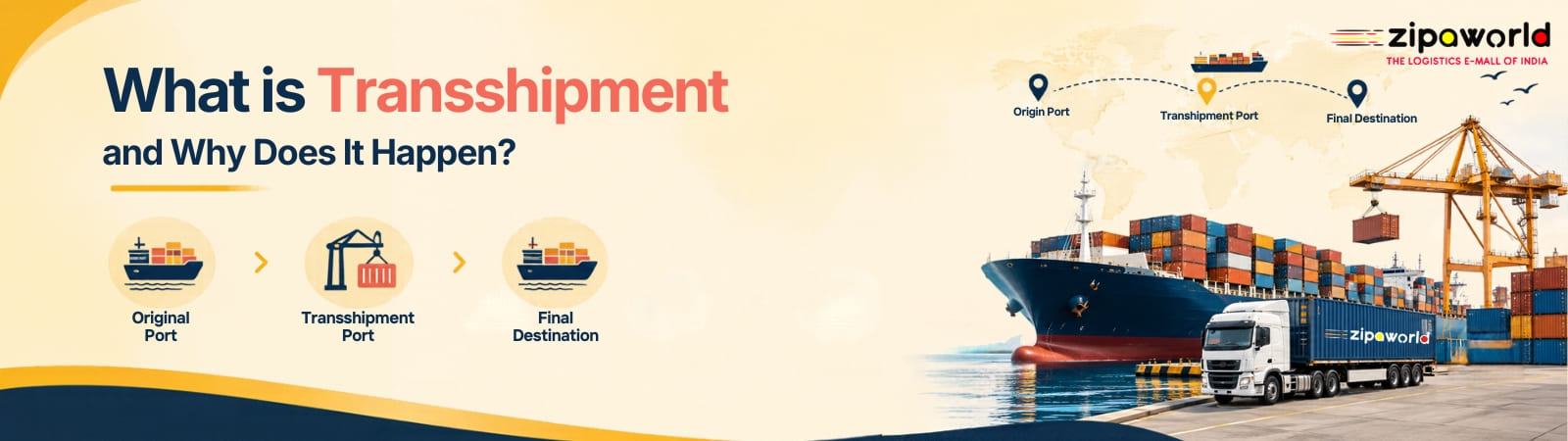
Transshipment is the process of moving cargo from one transportation vessel to another before it reaches its final destination.
In ocean freight shipping, this usually means transferring containers from one ship to another at an intermediate port. The cargo does not leave the overall transportation network but changes vessels to continue its journey.
For example: A shipment from India to Canada may not have a direct vessel route. Instead, the container may travel from an Indian port to a major hub port such as Singapore, where it is transferred to another vessel heading toward Canada. The intermediate port is known as a transshipment port.
How Does the Transshipment Process Work?
The transshipment process involves several steps:
1. Initial Cargo Loading
The exporter delivers goods to the origin port, where containers are prepared and loaded onto the first vessel.
2. Arrival at Transshipment Port
The vessel reaches an intermediate hub port where containers are unloaded and prepared for transfer.
3. Cargo Transfer
The container is moved from the first vessel to another ship that follows the next part of the route.
4. Final Delivery
The second vessel transports the cargo to the destination port, where it continues through customs clearance and final delivery.
Throughout this process, proper documentation and shipment visibility are essential to avoid delays.
Why Does Transshipment Happen?
Transshipment happens mainly because direct shipping routes are not available or are not the most efficient option for every destination.
Some major reasons include:
1. Limited Direct Shipping Routes
Not every port has direct connections with every global destination. Shipping companies use hub ports to connect different regions efficiently.
For example, smaller ports may rely on larger international ports that handle more vessel traffic.
2. Better Route Efficiency
Carriers design shipping networks around major maritime hubs. Instead of operating many separate direct routes, they use fewer high-capacity routes and connect shipments through transshipment locations.
This helps optimize vessel usage and overall transportation planning.
3. Cost Management
Operating direct services between every possible destination can be expensive. Transshipment allows shipping companies to combine cargo from multiple locations and reduce operational costs.
These savings can support more competitive Ocean Freight & Shipping solutions.
4. Access to Global Markets
Transshipment allows businesses in smaller regions to connect with international markets without needing direct port services.
This creates more opportunities for global trade and supply chain expansion.
Common Examples of Transshipment in Sea Freight
Many international shipments involve transshipment through major maritime hubs.
Examples include:
- Cargo moving through Singapore before reaching another Asian or European destination
- Shipments transferred through Middle Eastern ports for global distribution
- Containers passing through European hub ports before reaching inland locations
These connections help businesses move goods across continents more efficiently.
Benefits of Transshipment in Ocean Freight
Transshipment provides several advantages for global supply chains.
Wider Global Connectivity
Businesses can ship goods to destinations that do not have direct vessel connections.
Improved Shipping Flexibility
Companies can choose from multiple routes and carrier options based on their requirements.
Better Network Efficiency
Shipping carriers can manage large volumes of cargo through strategically located ports.
Support for International Trade Growth
Transshipment enables businesses of different sizes to participate in global markets.
Challenges of Transshipment
Although transshipment offers many benefits, it also comes with some challenges.
Longer Transit Times
Since cargo moves through multiple ports, shipments may take longer compared to direct shipping routes.
Increased Handling
Every additional transfer creates another stage where containers must be managed, increasing the need for proper coordination.
Possible Delays
Weather conditions, port congestion, or operational issues at the transshipment port can affect delivery schedules.
Documentation Requirements
Accurate paperwork is important because shipments pass through multiple locations and logistics systems.
How Businesses Can Manage Transshipment Risks
Companies can take several steps to improve their shipping experience:
Choose the Right Logistics Partner
A reliable logistics provider can help select efficient routes, manage documentation, and provide shipment visibility.
Track Shipment Progress
Modern tracking systems help businesses monitor cargo movement and identify possible delays.
Plan Buffer Time
Since transshipment involves multiple stages, businesses should consider realistic delivery timelines.
Understand Shipping Routes
Knowing where and why cargo is transferred helps companies make better supply chain decisions.
How Zipaworld Helps Simplify Ocean Freight Shipping
Managing international shipments requires transparency, coordination, and reliable logistics support. Zipaworld helps businesses navigate complex transportation processes by providing digital solutions for smoother global shipping operations.
From managing Sea freight movements to improving shipment visibility, Zipaworld supports businesses in making informed logistics decisions.
With better planning and digital tools, companies can manage transshipment processes more efficiently while reducing uncertainty across their supply chain.
Key Takeaways
- Transshipment is the transfer of cargo from one vessel to another at an intermediate port.
- It is commonly used in international ocean freight shipping to connect global trade routes.
- Businesses benefit from wider market access and flexible shipping options.
- Transshipment can increase transit times, making proper planning important.
- Choosing the right logistics partner helps manage delays, documentation, and shipment visibility.
Conclusion
Transshipment plays an important role in modern global shipping networks. While it adds an additional step to the transportation process, it allows businesses to access more destinations, optimize routes, and maintain efficient supply chains.
Understanding how transshipment works helps companies make better decisions when planning their ocean freight shipping requirements.
Partner with Zipaworld to simplify international logistics with reliable digital solutions, better visibility, and efficient freight management support.