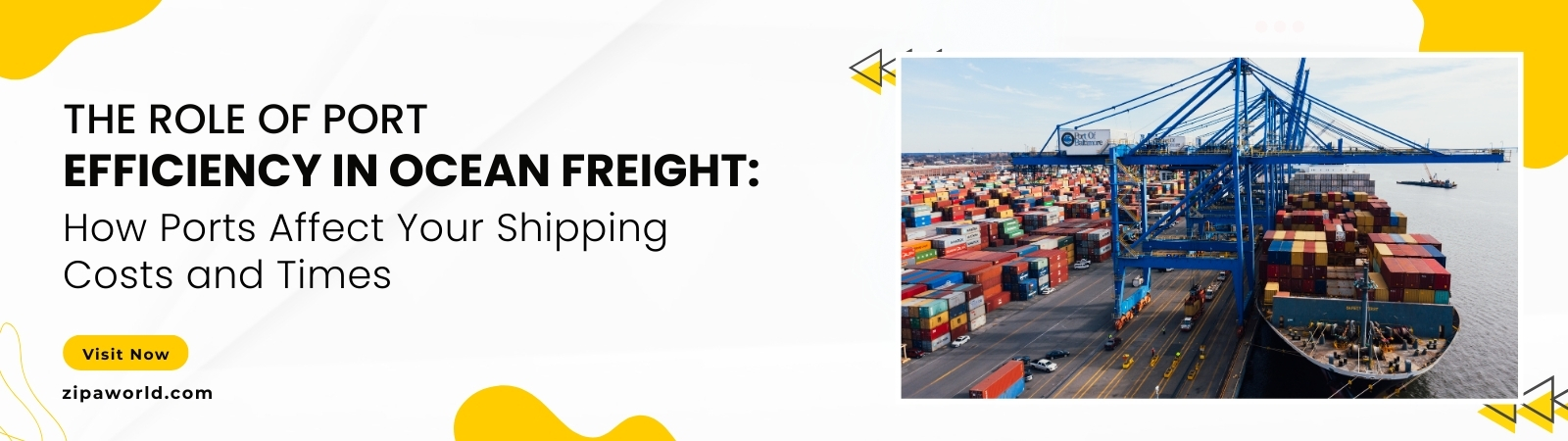
How Port Efficiency Impacts Ocean Freight Costs
Ports play a critical role in global trade and are the backbone of Ocean Freight operations. Every year, millions of containers move through ports worldwide, making them essential hubs for international commerce. The efficiency of a port directly influences ocean freight rates, shipping schedules, cargo movement, and overall supply chain performance.
Efficient port operations can reduce transit times, lower logistics costs, and improve shipping reliability. On the other hand, port congestion and operational inefficiencies can lead to delays, increased expenses, and disruptions across the supply chain.
This article explores how port efficiency affects Ocean Freight Shipping, the factors that influence port performance, and how businesses can optimize their cargo freight operations.
What is Ocean Freight?
Ocean Freight refers to the transportation of goods by sea using container ships and other maritime vessels. It is one of the most cost-effective transportation methods for moving large volumes of cargo internationally.
Ocean Freight Shipping involves multiple stages, including cargo consolidation, container handling, customs clearances, port operations, vessel transportation, and inland delivery. Since ports serve as the connection points between land and sea transportation, their efficiency has a significant impact on the success of shipping operations.
How Efficient Ports Improve Ocean Freight Services
1. Faster Vessel Turnaround Time
The amount of time a vessel spends at a port is one of the most important indicators of port efficiency.
This includes:
- Vessel berthing
- Container loading
- Container unloading
- Customs processing
- Cargo handling activities
Efficient ports can process large cargo volumes quickly, reducing vessel waiting times and minimizing operational costs.
Benefits
- Reduced vessel idle time
- Faster cargo movement
- Improved shipping schedules
- Lower operational expenses
As a result, businesses often benefit from more competitive Ocean Freight rates and improved service reliability.
2. Streamlined Cargo Handling Processes
Cargo handling involves several activities, from container arrival and storage to loading and final dispatch. Efficient ports use advanced technologies, automation systems, and optimized workflows to streamline these operations.
Modern ports leverage:
- Automated container handling systems
- Digital documentation processes
- Smart terminal management
- Real-time cargo visibility
Impact on Ocean Freight Shipping
- Faster cargo processing
- Reduced storage costs
- Lower handling charges
- Improved shipping operations
- Reduced risk of shipment delays
Efficient cargo handling directly contributes to smoother Ocean Freight Forwarding and improved supply chain performance.
3. Quality Infrastructure and Port Facilities
A port's infrastructure significantly affects its ability to handle growing cargo volumes.
Key infrastructure components include:
- Container cranes
- Cargo handling equipment
- Storage yards
- Warehousing facilities
- Berthing capacity
- Road and rail connectivity
Modern and well-maintained infrastructure enables ports to process cargo more efficiently while reducing congestion.
Benefits of Strong Port Infrastructure
Improved Performance
Advanced facilities increase cargo throughput and support faster vessel turnaround times.
Reduced Congestion
Better infrastructure minimizes bottlenecks and helps maintain efficient cargo flow.
Lower Ocean Freight Costs
Efficient operations can reduce overall shipping expenses, resulting in more competitive Ocean Freight quotes for businesses.
4. Efficient Customs Clearance Procedures
Customs clearance is a crucial component of international shipping. Delays in documentation review, inspections, or approvals can significantly impact transit times.
Ports with efficient customs processes help businesses move cargo more quickly while maintaining regulatory compliance.
Benefits of Efficient Customs Procedures
- Faster cargo release
- Reduced dwell times
- Improved customs compliance
- Lower storage and detention costs
- Smoother international trade operations
Digital customs systems and automated documentation processes continue to improve the efficiency of modern Ocean Freight Shipping.
Factors to Consider When Selecting a Port
Choosing the right port can significantly impact shipping efficiency and logistics costs.
1. Physical Accessibility
Select ports that offer excellent connectivity to major transportation networks, including highways, rail systems, and distribution hubs.
Ports located near key trade corridors often provide faster cargo movement and better access to domestic and international markets.
2. Availability of Resources
Efficient ports should have sufficient resources, including:
- Cargo handling equipment
- Skilled workforce
- Storage facilities
- Customs infrastructure
Adequate resources contribute to faster cargo processing and reduced operational delays.
3. Connectivity to Global Trade Routes
Ports connected to major international shipping lanes often provide greater service frequency and improved Ocean Freight Forwarding options.
This can enhance flexibility and reduce transit times for exporters and importers.
How Port Delays Affect Ocean Freight Costs
Port congestion and operational delays can create significant challenges for businesses involved in international trade.
1. Increased Demurrage and Detention Charges
When containers remain at ports longer than allowed, shipping lines may impose demurrage and detention fees.
These additional charges can substantially increase total Ocean Freight costs.
2. Supply Chain Disruptions
Port delays can affect inventory availability, production schedules, and order fulfillment processes.
Consequences may include:
- Inventory shortages
- Manufacturing interruptions
- Delayed deliveries
- Increased logistics costs
3. Higher Freight Rates
Frequent congestion at major ports can reduce shipping capacity and increase operational expenses for carriers.
These costs are often reflected in higher Ocean Freight Shipping rates.
4. Customer Dissatisfaction
Reliable delivery timelines are critical for customer satisfaction. Delays caused by inefficient port operations can impact business relationships and customer trust.
Using Ocean Freight Tracking Data for Better Decision-Making
Modern container tracking systems provide real-time visibility into shipment movements and cargo status.
Businesses can use Ocean Freight tracking data to make more informed logistics decisions.
1. Monitor Port Performance
Tracking data helps businesses identify:
- Average container dwell times
- Port congestion trends
- Operational bottlenecks
- Delayed shipments
2. Optimize Shipping Routes
By analyzing historical shipping data, businesses can select ports that consistently deliver better operational performance.
3. Improve Supply Chain Planning
Real-time tracking and historical analytics enable businesses to anticipate potential disruptions and adjust shipping schedules proactively.
Enhanced visibility leads to better inventory planning and improved customer service.
Conclusion
Port efficiency is one of the most influential factors affecting Ocean Freight operations. Efficient ports help reduce shipping costs, accelerate cargo movement, improve vessel turnaround times, and strengthen overall supply chain performance.
Conversely, port congestion and operational inefficiencies can increase freight expenses, disrupt shipping schedules, and negatively impact customer satisfaction.
Businesses involved in Ocean Freight Shipping should carefully evaluate port performance, infrastructure quality, customs efficiency, and connectivity when planning international shipments. Leveraging real-time container tracking and data-driven logistics insights can further improve decision-making and operational efficiency.
By selecting efficient ports and working with experienced Ocean Freight Forwarding partners, businesses can reduce risks, control costs, and create more resilient global supply chains.
Optimize Your Ocean Freight Operations with Zipaworld
Zipaworld provides technology-driven Ocean Freight solutions designed to simplify international shipping. From Ocean Freight Forwarding and Cargo Freight management to customs support and shipment visibility, our platform helps businesses move cargo efficiently across global markets.
Book your Ocean Freight shipment with Zipaworld and experience smarter, faster, and more reliable shipping operations backed by digital logistics expertise.
Also, explore how Air Cargo Tracking helps businesses improve shipment visibility and make more informed logistics decisions.