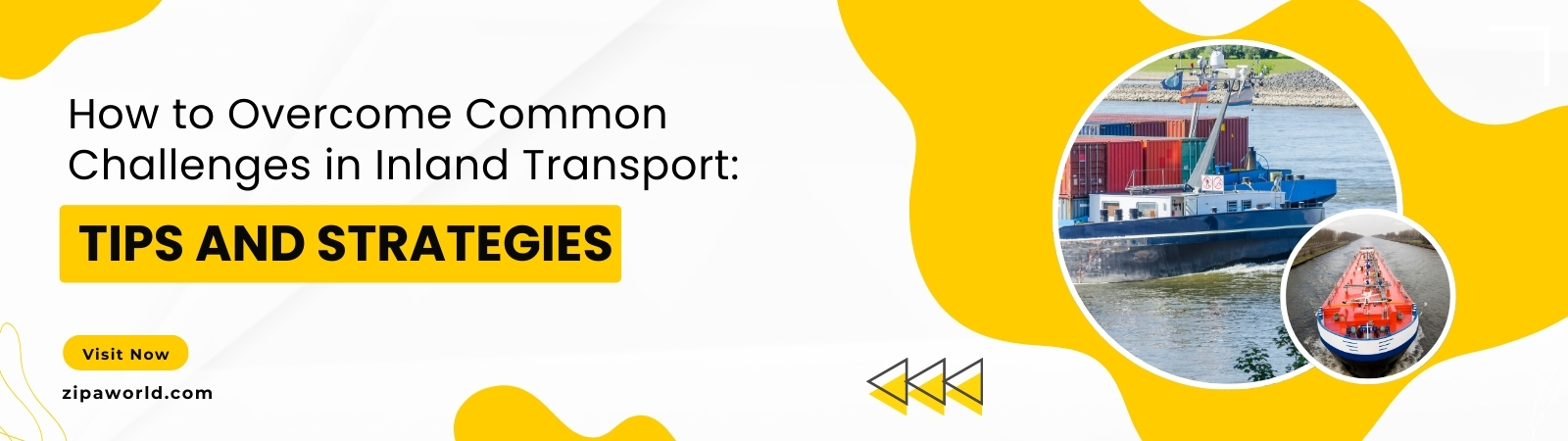
Overcoming Inland Transport Challenges: Tips & Strategies
Inland Transport plays a crucial role in the global logistics ecosystem by connecting ports, airports, rail terminals, warehouses, distribution centers, and final delivery destinations. Whether moving raw materials, finished products, or e-commerce shipments, efficient inland transport services ensure seamless cargo transportation across domestic and international supply chains.
However, businesses often face several challenges in managing inland logistics operations. Traffic congestion, infrastructure limitations, regulatory compliance requirements, and operational inefficiencies can impact delivery timelines, increase transportation costs, and disrupt supply chain performance.
This article explores the most common challenges in Inland Transport and provides practical strategies to improve logistics efficiency and reliability.
What Are the Common Challenges Encountered in Global Road Transport?
1. Traffic Congestion
Traffic congestion remains one of the biggest challenges in Road Transport, especially in urban and industrial regions. Growing vehicle volumes, road construction projects, infrastructure bottlenecks, and peak-hour traffic often lead to shipment delays and increased operational costs.
Congestion not only impacts delivery schedules but also results in higher fuel consumption, increased vehicle wear and tear, and reduced fleet productivity.
Strategies to Overcome Traffic Congestion
Route Optimization
Modern route planning software and GPS-enabled fleet management systems can identify the most efficient routes based on real-time traffic conditions. Dynamic route optimization helps drivers avoid heavily congested areas and reduce transit times.
Better Time Management
Scheduling deliveries during non-peak hours can significantly reduce delays. Early morning, late evening, or night-time deliveries often allow faster cargo transportation and more predictable transit schedules.
Collaboration with Local Authorities
Maintaining communication with local transportation agencies helps businesses stay informed about road closures, construction activities, and traffic diversions. This information can support better route planning and operational decision-making.
2. Regulatory Compliance
Road Transportation is governed by various regulations related to vehicle standards, driver qualifications, safety requirements, environmental policies, and cargo handling procedures.
Failure to comply with these regulations can lead to penalties, shipment delays, legal complications, and operational disruptions.
Strategies for Ensuring Regulatory Compliance
Stay Updated on Regulations
Businesses should regularly monitor changes in transportation laws, environmental regulations, driver safety standards, and logistics compliance requirements.
Employee Training and Certification
Providing ongoing training to drivers and logistics personnel helps ensure compliance with current regulations and industry best practices.
Effective Documentation Management
Maintaining accurate and up-to-date records is essential. Important documents may include:
- Vehicle inspection reports
- Driver licenses
- Insurance documents
- Compliance certificates
- Transportation permits
Digital document management systems can improve accessibility and reduce administrative errors.
3. Infrastructure Limitations
Poor road conditions, inadequate loading facilities, limited parking spaces, and insufficient logistics infrastructure can negatively affect Inland Transport operations.
Infrastructure challenges often result in longer transit times, increased maintenance costs, cargo damage risks, and reduced operational efficiency.
Strategies to Address Infrastructure Limitations
Invest in Reliable Vehicles
Using modern, well-maintained vehicles improves operational reliability and reduces the risk of breakdowns, particularly when operating in areas with challenging road conditions.
Leverage Advanced Technology
Fleet management systems, telematics, GPS tracking, and predictive maintenance solutions help businesses monitor vehicle performance, optimize routes, and improve overall logistics efficiency.
Partner with Local Logistics Providers
Collaborating with local warehouses, distribution centers, and transportation providers can help overcome regional infrastructure challenges while improving service coverage and operational flexibility.
What Are Some Recommendations to Increase the Efficiency of Your Inland Transport?
1. Implement Advanced Tracking Systems
Real-time shipment visibility has become essential for modern logistics operations. Advanced tracking systems allow businesses to monitor cargo location, shipment status, and delivery progress throughout the transportation journey.
Benefits of Real-Time Tracking
- Improved shipment visibility
- Faster issue resolution
- Better customer communication
- Enhanced operational control
- Improved Last-Mile Delivery performance
Access to real-time logistics data enables proactive decision-making and strengthens supply chain resilience.
2. Optimize Fleet Management
Efficient fleet management is fundamental to successful Inland Transport operations.
Businesses should utilize fleet management software to:
- Monitor vehicle performance
- Track fuel consumption
- Schedule preventive maintenance
- Improve driver productivity
- Optimize route planning
Regular maintenance reduces downtime, improves safety, and helps maintain compliance with transportation regulations.
3. Strengthen Communication and Coordination
Effective communication between drivers, dispatch teams, warehouse operators, customers, and logistics partners is essential for smooth cargo transportation.
Clear communication helps:
- Resolve operational issues quickly
- Reduce shipment delays
- Improve delivery accuracy
- Enhance customer satisfaction
Modern communication platforms and transportation management systems can streamline collaboration across the supply chain.
4. Use Data Analytics for Better Decision-Making
Data-driven logistics management allows businesses to identify inefficiencies, improve route planning, and optimize resource utilization.
By analyzing transportation data, businesses can:
- Identify recurring bottlenecks
- Improve load planning
- Forecast transportation demand
- Optimize delivery routes
- Reduce operating costs
Analytics-driven decision-making helps create more efficient and resilient logistics operations.
Conclusion
Managing Inland Transport effectively requires a proactive and strategic approach. Traffic congestion, regulatory requirements, and infrastructure limitations continue to challenge logistics operations, but businesses can overcome these obstacles through technology adoption, process optimization, and better planning.
Investing in advanced tracking systems, optimizing fleet management, improving communication, and leveraging data analytics can significantly enhance Inland Transport Service performance and supply chain efficiency.
As global supply chains become increasingly interconnected, businesses that embrace digital logistics solutions and modern transportation practices will be better positioned to improve reliability, reduce costs, and meet growing customer expectations.
A well-managed Inland Transport network not only supports efficient cargo transportation but also strengthens overall supply chain performance and customer satisfaction.
Improve Inland Transport Visibility with Zipaworld
Zipaworld helps businesses streamline Inland Transport operations through technology-driven logistics services, real-time shipment tracking, and enhanced supply chain visibility.
From cargo transportation and road transport management to end-to-end logistics solutions, Zipaworld enables businesses to move shipments more efficiently and confidently.
Track your shipments in real time with Zipaworld's online container tracking platform and gain complete visibility across your supply chain.