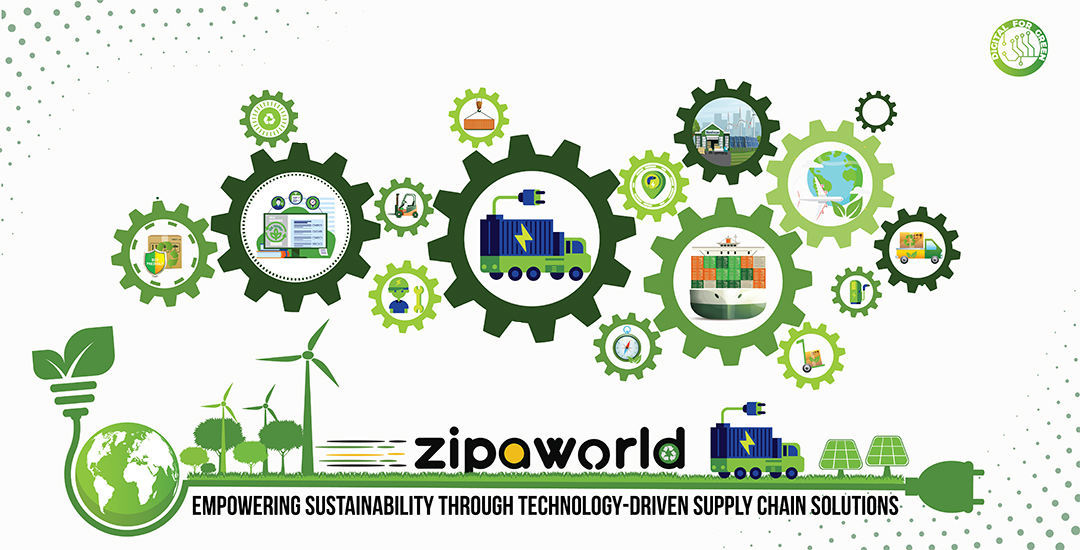
Green Logistics: Practices and Challenges
The logistics industry plays a critical role in the global economy, facilitating the movement of goods and materials across the world. However, this industry also has a significant environmental impact, contributing to greenhouse gas emissions, waste generation, and resource depletion. To address these challenges, logistics companies need to adopt sustainable practices and reduce their environmental footprint. In this post, we'll explore some of the practices and challenges associated with sustainability in logistics.
Practices for Green Logistics
There are several practices that logistics companies can adopt to reduce their environmental impact and promote sustainability:
1. EV Network: One of the most significant sources of environmental impact in the logistics industry is transportation. Logistics companies can reduce their carbon footprint by investing in an electric vehicle (EV) network, using low-emission vehicles, optimizing their delivery routes, and consolidating shipments to reduce the number of vehicles on the road. An EV network can also help logistics companies reduce their reliance on fossil fuels and promote the use of renewable energy sources, such as solar and wind power. By investing in an EV network, logistics companies can reduce their carbon footprint and promote sustainable transportation practices.
2. Digital logistics: The logistics industry can promote sustainability by adopting digital technologies, such as AI, machine learning, and IoT. Digital logistics reduces reliance on manual processes, saves paper, and reduces the need for a large workforce. It enables real-time monitoring and data analysis, instant decision-making, and improves supply chain visibility. Digital logistics enhances competitiveness and profitability in the long term while reducing the environmental impact.
3. Packaging: Packaging is another area where logistics companies can make a significant impact. Using eco-friendly packaging materials and reducing packaging waste can help minimize the environmental impact of logistics operations.
4. Energy-efficient facilities: Logistics companies can also reduce their energy consumption by using energy-efficient facilities and equipment, such as LED lighting and efficient heating and cooling systems.
5. Reverse logistics: Reverse logistics refers to the process of managing the return of products from customers to the manufacturer or retailer. By implementing efficient reverse logistics processes, logistics companies can reduce waste and improve resource utilization.
6. Collaboration and partnerships: Finally, logistics companies can promote sustainability by collaborating with partners and stakeholders across the supply chain. By sharing best practices, resources, and knowledge, logistics companies can drive sustainable practices across the industry.
Challenges for Green Logistics
While there are many practices that logistics companies can adopt to promote sustainability, there are also several challenges to implementing these practices:
1. High Costs: Sustainable logistics practices often require significant investments in equipment, facilities, and technology. For many logistics companies, these costs can be a barrier to adoption.
2. Regulatory Environment: Regulations and policies related to sustainability in logistics vary by region and country, creating inconsistencies and uncertainties for logistics companies operating globally.
3. Lack of Awareness: Many logistics companies may not be aware of the benefits and opportunities associated with sustainable practices, or they may not have the resources and knowledge to implement these practices.
4. Lack of vision: Logistics companies may prioritize short-term financial gains over long-term sustainability goals, which can lead to a lack of investment in sustainable practices.
5. E-waste: The electronics and technology used in the logistics industry contribute to a significant amount of e-waste. Proper disposal and recycling of e-waste are essential to minimize environmental impact and prevent hazardous materials from entering the waste stream.
6. Lack of Road Map: The lack of a clear roadmap for sustainable logistics practices is a significant challenge faced by industry. Logistics companies and governments need to develop a clear path to achieve sustainability, which includes setting goals, developing metrics and standards, and tracking progress towards those goals.
Conclusion
Sustainability in logistics is a critical issue that requires collaboration and action across the industry. By adopting sustainable practices such as low-emission transportation, eco-friendly packaging, energy-efficient facilities, and reverse logistics, logistics companies can reduce their environmental impact and create value for their customers. However, the industry also faces several challenges, including high costs, regulatory uncertainty, lack of awareness, and short-term thinking. Addressing these challenges will require a concerted effort by logistics companies, policymakers, and other stakeholders to drive sustainable practices and promote a more sustainable future.
Thank You