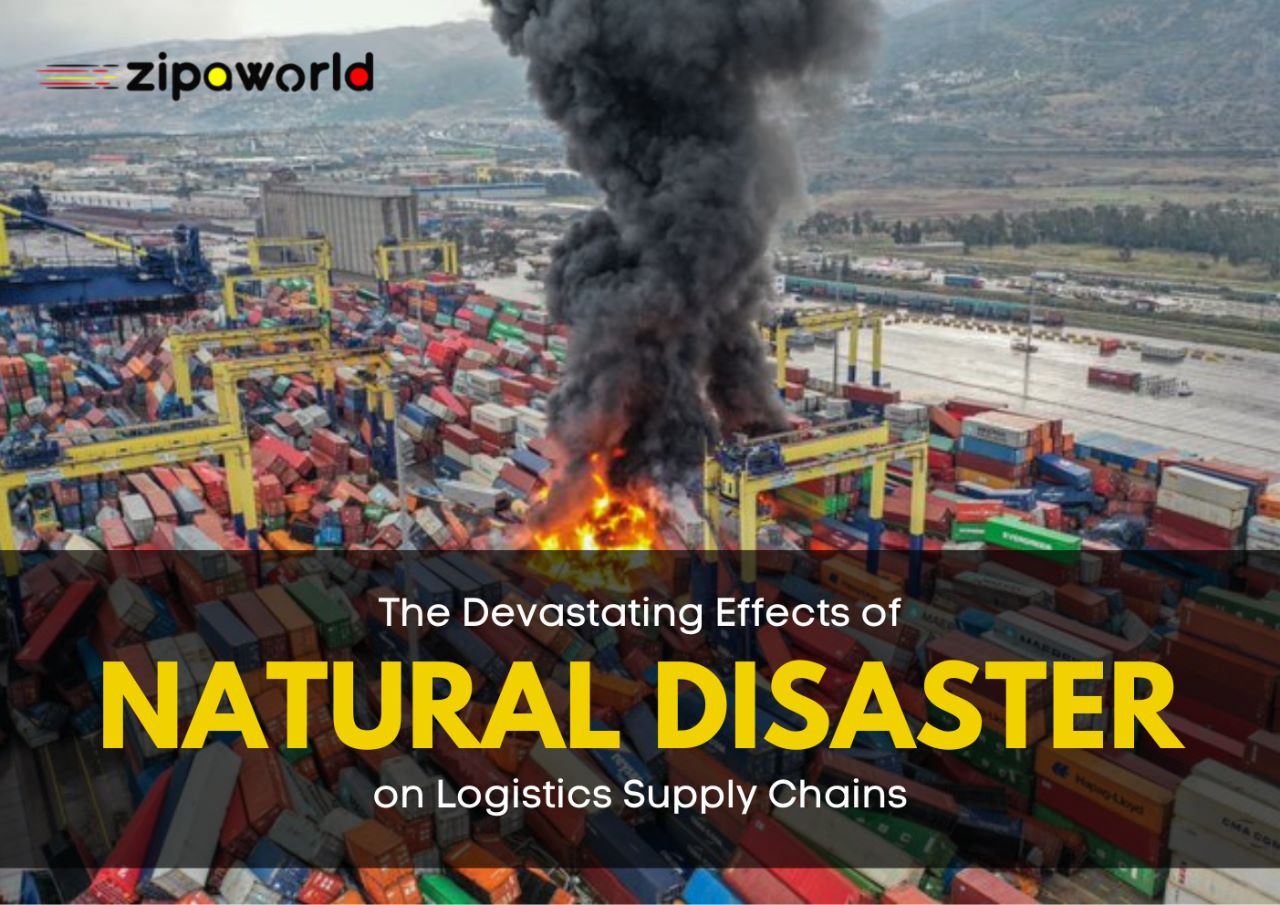
Effects of Natural Disasters on Logistics & Supply Chains
Natural disasters can have a significant impact on logistics operations, causing widespread disruptions to transportation networks, damage to warehouses and other infrastructure, and affecting the flow of goods. When roads, bridges, and ports are damaged or destroyed, it becomes difficult to transport goods and materials to their intended destinations, leading to delays, increased costs, and even the loss of valuable products. Additionally, natural disasters can also disrupt communications systems, making it difficult to coordinate response efforts and restore normal operations.
How Natural Disasters Disrupt Logistics and Supply Chains
Recent natural disasters, such as the recent earthquake in Turkey, have highlighted the detrimental impact they can have on logistics operations. For example, the earthquake caused significant damage to transportation infrastructure, including roads, ports, and airports, leading to widespread disruptions in the logistics supply chain and causing delays and increased costs for many companies. Similarly, previous natural disasters such as the 2017 hurricane season in the United States and the 2018 wildfires in California have demonstrated the devastating effects that these events can have on transportation networks, leading to significant disruptions in logistics operations.
How to Minimize the Impact of Natural Disasters on Logistics
To minimize the impact of natural disasters on logistics operations, companies should take several steps, including:
- Develop a contingency plan: Having a contingency plan in place can help companies to prepare for the possibility of a natural disaster and minimize its effects. This should include measures such as relocating critical equipment to secure locations, stockpiling supplies in multiple locations, and using alternative transportation methods. Companies should also consider conducting regular drills and exercises to test and refine their contingency plans.
- Foster partnerships: Building solid partnerships with suppliers, transportation providers, and other key players in the supply chain can help companies to better manage the impact of natural disasters. For example, companies can work with transportation providers to secure alternative routes or access alternative transportation methods in the event of a disaster. In addition, companies can also collaborate with suppliers to secure alternative sources of raw materials or components.
- Invest in technology: Technology can play a critical role in mitigating the impact of natural disasters on logistics operations. For example, companies can invest in real-time tracking and monitoring systems, which can help to quickly identify disruptions and take appropriate action to minimize the impact. In addition, companies can also consider investing in systems that can automatically re-route shipments in the event of a disaster, reducing the need for manual intervention
Conclusion: Preparing for Natural Disasters in Logistics
In conclusion, natural disasters can have a significant impact on logistics operations, but by taking proactive measures, Critical understanding, and working together, companies can minimize the disruption and restore normal operations as quickly as possible. By developing contingency plans, fostering partnerships, and investing in technology, companies can be better prepared to face the challenges posed by natural disasters and ensure the continued success of their operations.