Dedicated Freight Corridor: Transforming India's Logistics and Rail Freight Infrastructure
India's logistics and transportation sector is undergoing a significant transformation with the continuous expansion of the Dedicated Freight Corridor (DFC) network. One of the latest milestones in this journey is the inauguration of the New Khurja–New Rewari section, a strategic freight corridor that strengthens rail connectivity and enhances the efficiency of cargo transportation across the country.
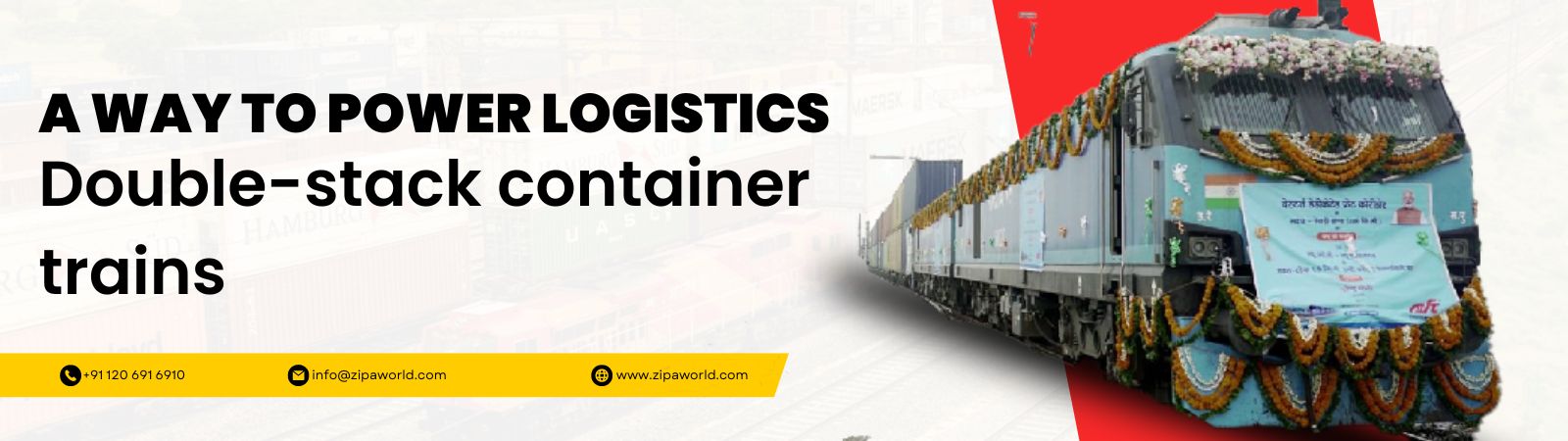
This development is particularly noteworthy because it includes the world's first electrified rail tunnel capable of operating double-stack container trains, marking a major achievement in railway engineering and freight infrastructure.
New Khurja–New Rewari Dedicated Freight Corridor
Following the successful development of the Eastern Dedicated Freight Corridor (EDFC) and Western Dedicated Freight Corridor (WDFC), India has taken another significant step toward creating an integrated freight transportation network.
The newly inaugurated New Khurja–New Rewari section spans approximately 173 kilometers and serves as a crucial link between major freight corridors. The project is designed to improve cargo movement, reduce transit times, and enhance the overall efficiency of India's rail freight ecosystem.
By enabling faster and more reliable transportation of goods, this corridor is expected to support industrial growth, strengthen supply chains, and improve trade competitiveness.
World's First Electrified Rail Tunnel for Double-Stack Containers
One of the most remarkable features of this project is the construction of a one-kilometer-long double-line electrified rail tunnel.
This tunnel is considered a global engineering achievement because it has been specifically designed to accommodate double-stack container trains under electrified railway infrastructure. Traditionally, operating double-stack containers under electric traction has been a challenge due to height restrictions associated with overhead electrification systems.
The implementation of high-rise electrification technology within the tunnel has successfully addressed this challenge, making it the first tunnel of its kind anywhere in the world.
This innovation is expected to significantly improve freight carrying capacity while maintaining energy-efficient rail operations.
Key Infrastructure Features
The New Khurja–New Rewari corridor incorporates several advanced infrastructure elements designed to support high-capacity freight movement.
Key highlights include:
- A 173-kilometer double-line electrified freight corridor
- A one-kilometer double-line rail tunnel with high-rise electrification
- A 2.76-kilometer viaduct at Sohna
- Multiple bridges and flyovers across the route
- Integration with Indian Railways through a 4.54-kilometer Rail Flyover (RFO) at Dadri
- Connectivity to six important freight stations
The stations connected through this corridor include:
- New Boraki
- New Dadri
- New Faridabad
- New Prithla
- New Tauru
- New Dharuhera
These infrastructure investments are expected to facilitate smoother freight operations and improve network efficiency.
Strategic Importance for Rail Freight Transportation
Railways continue to play a vital role in India's freight transportation ecosystem. As cargo volumes increase due to growing industrial activity, dedicated freight infrastructure becomes essential for maintaining efficiency and reducing congestion on passenger rail networks.
The New Khurja–New Rewari section offers several strategic advantages:
Increased Freight Capacity
The ability to operate double-stack container trains allows rail operators to transport larger cargo volumes in a single journey, improving overall network productivity.
Reduced Logistics Costs
Efficient rail freight transportation lowers fuel consumption and transportation costs compared to road-based cargo movement over long distances.
Faster Cargo Movement
Dedicated freight tracks reduce interference from passenger train traffic, enabling quicker transit times and more predictable delivery schedules.
Improved Supply Chain Reliability
Businesses can benefit from better shipment planning, reduced delays, and enhanced visibility across transportation networks.
Regional Connectivity and Economic Impact
The corridor passes through key economic regions across:
- Uttar Pradesh
- Haryana
- Rajasthan
These states serve as important manufacturing, warehousing, and distribution hubs within India's supply chain network.
Enhanced freight connectivity is expected to:
- Support industrial expansion
- Improve market accessibility
- Facilitate export-oriented manufacturing
- Strengthen multimodal logistics operations
- Generate employment opportunities through infrastructure development
The corridor also contributes to India's broader vision of reducing logistics costs and improving global trade competitiveness.
Role in India's Logistics Modernization
India has been actively investing in logistics infrastructure through initiatives such as:
- Dedicated Freight Corridors
- PM Gati Shakti National Master Plan
- National Logistics Policy
- Multimodal Logistics Parks
- Industrial Corridors
The New Khurja–New Rewari section aligns with these initiatives by creating a more integrated, efficient, and sustainable freight transportation network.
For logistics providers, freight forwarders, exporters, importers, and supply chain operators, such developments offer opportunities to optimize cargo movement and improve operational efficiency.
Technology-driven logistics platforms such as Zipaworld can further complement these infrastructure advancements by providing digital freight management, shipment visibility, and streamlined logistics operations.
Future Outlook for India's Freight Infrastructure
The development of advanced freight corridors signals a new era for India's transportation sector.
As additional DFC sections become operational, businesses can expect:
- Higher freight handling capacity
- Improved rail connectivity
- Faster cargo transit times
- Reduced transportation bottlenecks
- Greater supply chain resilience
- Lower environmental impact through increased rail freight utilization
The integration of modern engineering solutions with dedicated freight infrastructure will continue to play a critical role in supporting India's economic growth.
Conclusion
The inauguration of the New Khurja–New Rewari Dedicated Freight Corridor represents a major milestone in India's logistics and transportation journey. Featuring the world's first electrified rail tunnel designed for double-stack container trains, the project demonstrates India's commitment to building world-class freight infrastructure.
With enhanced connectivity, increased freight capacity, and improved operational efficiency, the corridor is expected to strengthen supply chains, reduce logistics costs, and support economic development across multiple sectors. As India continues to invest in rail freight modernization, initiatives like these will serve as the foundation for a faster, smarter, and more competitive logistics ecosystem.