From pallets to pixels: the digital makeover of warehousing
Practically no industry has been left untouched by technology, and so is the logistics industry. In the shifting landscape of logistics, the confluence of technology and warehouses has given rise to a revolutionary concept: smart warehousing. Technology is changing the dynamics of traditional inventory management through artificial intelligence.
In this article, we will explore the transformative impact of AI on inventory management and how the industry can benefit from smart warehousing solutions.
Predictive Analytics
Ever wondered if your warehouse was informing you about the stock levels instead of you manually inspecting them?
Well! That’s the power of AI-led predictive analytics. One of the most remarkable contributions of AI to smart warehousing is its ability to analyze historical data and predict future trends. AI algorithms forecast demand patterns, guiding proactive inventory management and minimizing the risk of stockouts and overstocking.
Automation and Robotics
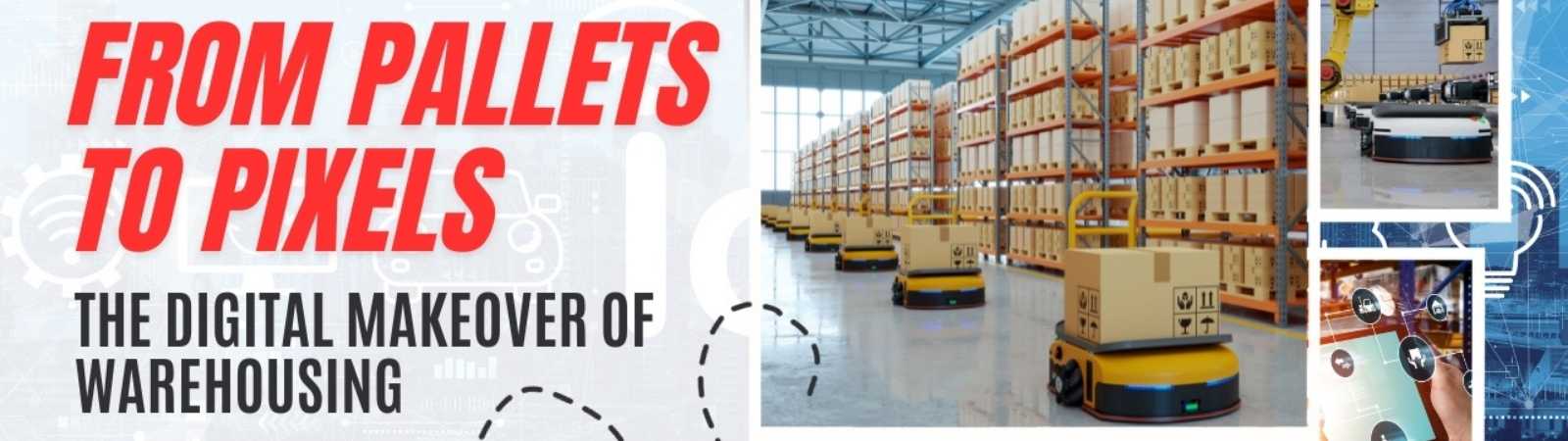
Traditional warehouses, characterized by intensive manual labor, lead to manual errors. However, with the advent of technology, automation and robotics have taken center stage. Automated vehicles and robotic arms traverse the floor of the warehouses, carrying out tasks like picking, packing, and sorting with precision and efficiency.
IOT in Warehousing
The Internet of Things has transformed the way warehouses operate. IoTs have connected sensors throughout the warehouse, thus enabling them to communicate in real-time. This connectivity facilitates better monitoring of inventory, equipment, and environmental conditions.
Efficient Warehouse Management System
AI-powered warehouse management systems have become an essential tool for smart warehousing. These systems provide end-to-end visibility into warehouse operations, streamlining processes like order processing, inventory tracking, and workforce management. AI algorithms optimize workflows, making the entire system more efficient and responsive.
Enhanced Security
AI-driven surveillance systems can minimize the risk of cargo damage and theft, reducing financial losses. Video monitoring coupled with computer vision can detect anomalies and potential hazards, reducing the chances of workplace accidents and human loss.
The integration of artificial intelligence into smart warehousing has evidently reshaped the traditional warehouse model. It has led to improved efficiency, reduced costs, and improved overall customer satisfaction. As technology evolves further, it promises more innovations in the future, thus playing a crucial role in reshaping the warehouse of tomorrow.