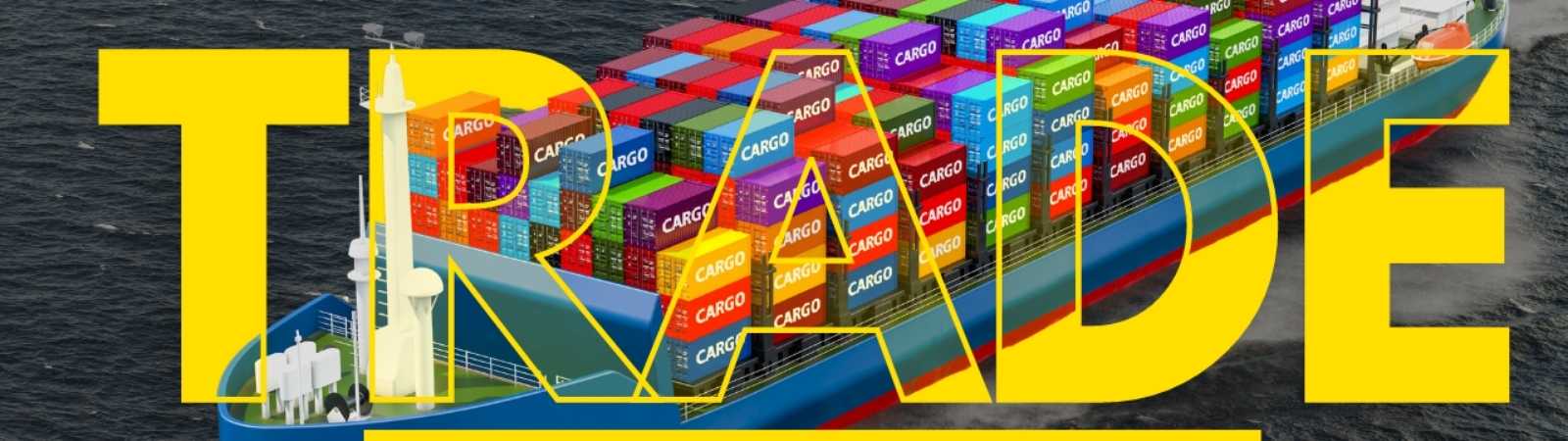
Trade Tariffs & Agreements: Impact on Global Trade
In an increasingly interconnected global economy, trade is the lifeblood of nations, driving economic growth and providing opportunities for businesses to expand their horizons. However, this intricate web of international commerce is shaped by trade tariffs and trade agreements, two powerful tools that have significant influence over the movement of goods and services across borders. In this blog post, we'll delve into the profound impact of trade tariffs and trade agreements on businesses, economies, and the global supply chain.
Trade Tariffs: Barriers to Entry
Trade tariffs, commonly known as import or export duties, are a tax imposed by a government on imported or exported goods. These tariffs serve various purposes, from protecting domestic industries to generating revenue for the government. However, their impact on businesses and consumers cannot be understated.
Trade Tariffs and Business Costs
For companies engaged in international trade, trade tariffs can significantly affect their cost structures. When tariffs are levied on imports, the cost of acquiring foreign goods rises, impacting the bottom line. Companies may be forced to pass these additional costs on to consumers, potentially leading to higher prices and reduced demand.
Disrupted Supply Chains
Trade tariffs can disrupt the intricate dance of global supply chains. As businesses source components and products from different countries, tariffs on one part of the supply chain can lead to higher costs, delays, and increased administrative burdens. This may force businesses to reevaluate their supply chain strategies, seeking alternatives to minimize tariff-related disruptions.
Trade War Risks
Trade tariffs can escalate into trade wars, where countries impose retaliatory tariffs against one another. These trade wars can result in heightened uncertainty, reduced international cooperation, and potential harm to the global economy. For businesses, navigating the unpredictability of trade wars becomes a challenging exercise in risk management.
Trade Agreements: Opening Doors to Opportunity
In contrast to trade tariffs, trade agreements are designed to promote economic cooperation and open up new opportunities.
These agreements are bilateral or multilateral pacts between countries that aim to reduce or eliminate barriers to trade.
Let's explore the positive impact of trade agreements.
Market Access
Trade agreements grant businesses preferential access to foreign markets. When trade barriers like tariffs and quotas are reduced or removed, companies can more easily export their goods and services to partner countries. This expanded market access can boost sales, drive business growth, and create job opportunities.
Regulatory Alignment
Trade agreements often involve regulatory harmonization. This means that participating countries agree on common standards and regulations, making it easier for businesses to comply with the rules of different markets. This reduces the costs and administrative burdens associated with navigating multiple regulatory environments.
Enhanced Investor Confidence
Trade agreements provide a level of predictability and stability for businesses. When investors see that countries are committed to open and fair trade, they gain confidence in making long-term investments. This can lead to increased foreign direct investment (FDI) and economic development in the partner countries.
The Interplay Between Tariffs and Agreements
In the complex world of global trade, it's important to recognize that trade tariffs and trade agreements often exist side by side. Some countries may have trade agreements in place while maintaining tariffs on specific goods or industries.
Understanding the interplay between these two elements is crucial for businesses and policymakers.
Trade Tariffs as Negotiation Tools
Tariffs are sometimes used as negotiation tools to advance a country's interests in trade agreements. By imposing tariffs on key industries, a country may seek to gain leverage in trade negotiations, pushing its partners to make concessions. This delicate dance of negotiation can ultimately lead to mutually beneficial trade agreements.
Navigating a Complex Landscape
For businesses, the trade landscape can be challenging to navigate. They must keep a close eye on changes in trade tariffs and agreements that impact their operations. Effective supply chain management and trade compliance become critical aspects of business strategy in this dynamic environment.
Looking Ahead: The Future of Trade Dynamics
The impact of trade tariffs and trade agreements on the global trade landscape will continue to evolve. It's important for businesses and governments to adapt to this ever-changing environment to maximize opportunities and mitigate risks. Here are a few trends to watch:
Digital Trade and E-commerce
The growth of digital trade and e-commerce is challenging traditional trade paradigms. Trade agreements will need to address new digital issues, such as data flows and intellectual property protection, to facilitate this expanding sector.
Sustainability and Environment
Trade agreements are increasingly incorporating environmental considerations, reflecting the growing global focus on sustainability. This could lead to more environmentally friendly trade practices and requirements.
Geopolitical Shifts
Geopolitical shifts and realignments can reshape the trade landscape. Businesses need to stay agile and responsive to emerging geopolitical developments.
In conclusion, trade tariffs and trade agreements are pivotal forces shaping the world of international commerce. Trade tariffs can be barriers or negotiation tools, while trade agreements open doors to new opportunities. Understanding the interplay between these elements and staying attuned to emerging trends is essential for businesses and policymakers to thrive in the dynamic world of global trade. Navigating this complex landscape requires adaptability, strategic planning, and a keen eye for the ever-evolving dynamics of international trade.