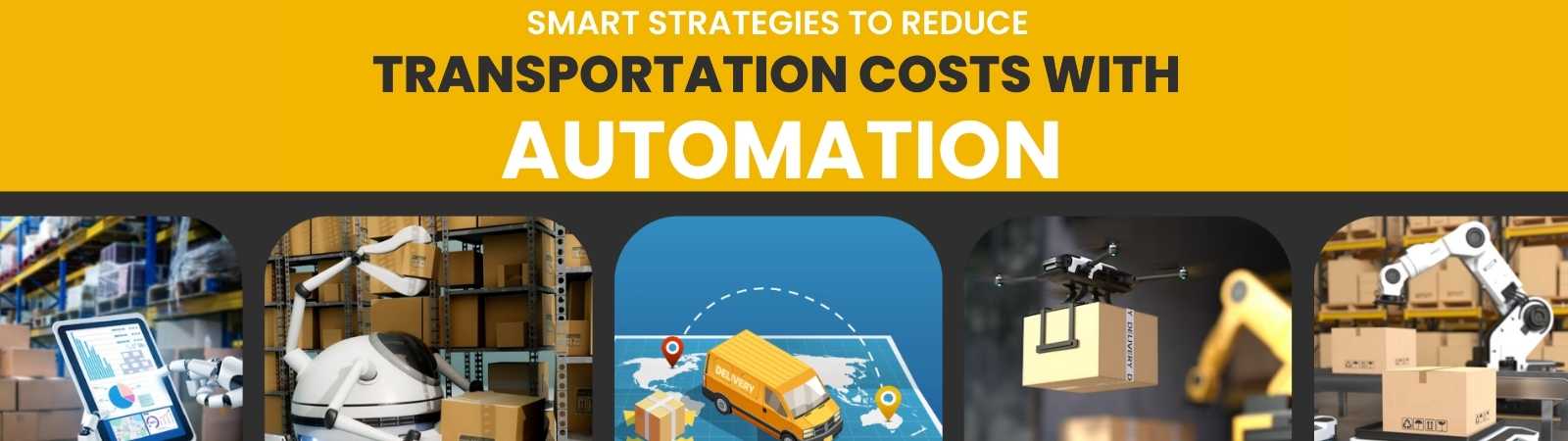
Smart Strategies to Reduce Transportation Costs with Automation
In the ever-evolving world of logistics, finding innovative ways to reduce transportation costs is essential for maintaining a competitive edge. One powerful solution that has gained momentum for effective freight forwarding in recent years is automation. By harnessing the capabilities of automation, logistics companies can streamline processes, enhance efficiency, and ultimately cut down on transportation expenses. In this blog post, we will explore some smart strategies to reduce transportation costs with automation.
1. Route Optimization
One of the most effective ways to reduce transportation costs is through route optimization. Automation software can analyze various factors such as traffic patterns, weather conditions, and delivery windows to determine the most efficient routes for shipments. This not only saves on fuel costs but also reduces wear and tear on carriers, leading to lower maintenance expenses.
2. Fleet Management
Managing a fleet of vehicles can be a daunting task, but automation can simplify the process significantly. Fleet management software can track vehicle locations, monitor fuel consumption, and even predict maintenance needs. By automating these aspects of fleet management, logistics companies can reduce downtime, minimize fuel wastage, and prolong the lifespan of their vehicles.
3. Load Optimization
Loading cargo efficiently is another area where automation can yield significant cost savings. Automated loading systems can calculate the optimal placement of cargo within a vehicle, ensuring that each shipment reaches maximum capacity. This reduces the need for multiple trips or larger vehicles, thus cutting transportation costs.
4. Inventory Management
Effective inventory management is crucial for minimizing transportation costs. Automated inventory systems can track stock levels in real-time and automatically trigger reorders when necessary. This reduces the likelihood of rush shipments, which often come with higher transportation costs.
5. Order Processing and Documentation
Automation can significantly speed up order processing and documentation, reducing manual errors and costs associated with paperwork. Electronic data interchange (EDI) and automated order processing systems can streamline the entire order-to-shipment process.
6. Freight Quoting and Booking
Automated freight quoting and booking systems can help logistics companies find the most cost-effective shipping options quickly. By comparing rates from various carriers and modes of transportation, companies can make informed decisions that lead to cost savings.
7. Performance Analytics and Reporting
To continuously optimize transportation costs, it's crucial to have access to relevant data and insights. Automation tools can provide detailed performance analytics and reports that highlight areas for improvement, allowing logistics companies to make data-driven decisions.
8. Vendor Collaboration
Automation can also extend beyond internal operations to vendor collaboration. By automating communication with suppliers, logistics companies can better coordinate shipments, reduce lead times, and negotiate favorable terms.
Conclusion
In the modern logistics landscape, staying competitive requires a commitment to efficiency and cost reduction. Automation has emerged as a powerful tool to achieve these goals, offering smart strategies to reduce transportation costs. By optimizing routes, managing fleets, efficiently loading cargo, automating inventory processes, streamlining order processing, leveraging freight quoting systems, accessing performance analytics, and enhancing vendor collaboration, logistics companies can make their operations leaner, more cost-effective, and better equipped to thrive in a competitive market.
As technology continues to advance, embracing automation will become increasingly critical for logistics companies seeking to remain at the forefront of their industry. By investing in automation, you can not only reduce transportation costs but also position your company for long-term success and growth.