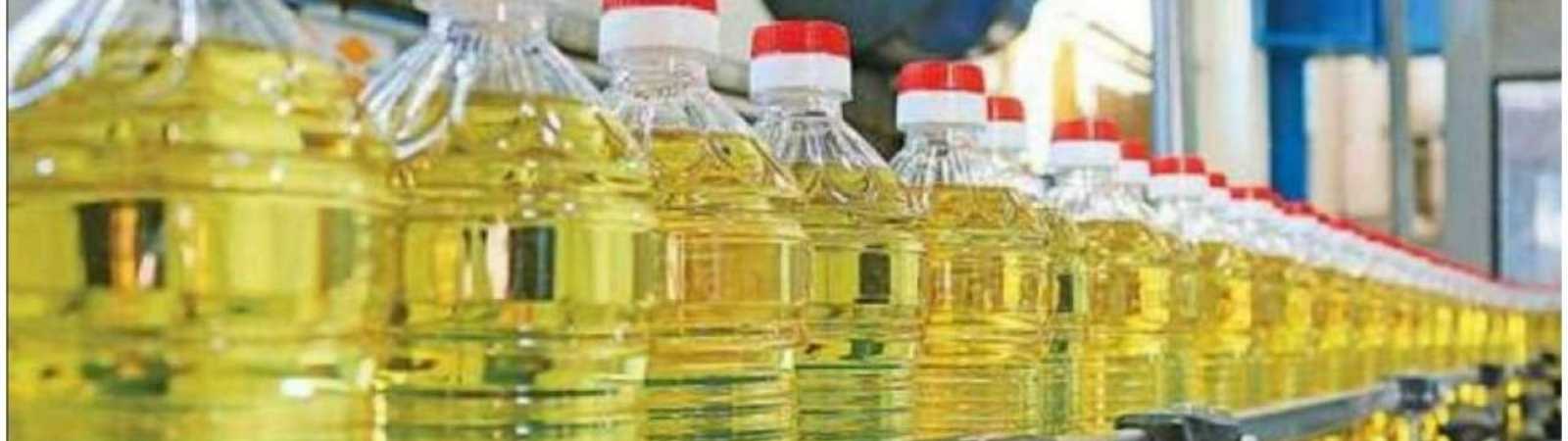
Indonesia's Palm Oil Export Ban
Indonesia is the world’s largest producer of palm oil, and together with Malaysia, it accounts for nearly 85 percent of global palm oil production. This dominance makes any policy shift in the region highly influential on global edible oil markets and supply chains.
In April 2022, Indonesia announced a complete ban on exports of palm oil and related cooking oils, creating significant uncertainty in international trade and food commodity pricing.
Why Indonesia Banned Palm Oil Exports
The export ban was introduced by Indonesian President Joko Widodo to address rising domestic shortages of cooking oil. Limited availability led to a sharp increase in food prices within the country.
Domestic cooking oil prices surged by 40 to 50 percent, triggering widespread public dissatisfaction and protests across Indonesia. To stabilize the internal market and ensure availability for local consumers, the government prioritized domestic supply over exports.
Global Importance of Palm Oil Supply
Globally, edible oil consumption is approximately 240 million tons annually, out of which palm oil accounts for nearly 80 million tons.
Palm oil is widely used in food processing, cosmetics, and industrial applications, making it one of the most critical agricultural commodities in global trade.
India alone imports around 0.6 million tons of palm oil, with nearly 50 percent sourced from Indonesia. Countries like Pakistan and Bangladesh depend even more heavily, importing close to 80 percent of their palm oil requirements from Indonesia.
Impact on Global Supply Chains
With Indonesia halting exports, the global palm oil supply chain faced immediate disruption. The world’s dependency shifted heavily toward Malaysia, the second largest producer.
However, Malaysia alone does not have sufficient production capacity to fully replace Indonesia’s export volume. This created a significant supply-demand gap in the global edible oil market.
The sudden shortage also increased competition among importing nations, intensifying price volatility and procurement challenges.
Impact on India and South Asia
India, already facing pressure from disrupted sunflower oil supplies due to the Russia Ukraine war, experienced additional strain in edible oil availability.
As a result, domestic edible oil prices in India increased by around 5 percent and were expected to rise further by 10 to 15 percent.
Countries in South Asia, including Pakistan and Bangladesh, also faced supply constraints due to their heavy dependence on Indonesian palm oil imports.
Role of Malaysia in Balancing Supply
Malaysia, being the second largest palm oil producer globally, became the primary alternative supplier after Indonesia’s export ban.
However, despite increased capacity, Malaysia alone could not fully compensate for Indonesia’s absence in the global market. This limitation highlighted the risks of overdependence on a concentrated supply chain for essential commodities.
Combined Impact with Global Geopolitical Events
The palm oil crisis coincided with the Russia Ukraine war, which had already disrupted sunflower oil exports from the Black Sea region.
This double disruption in major edible oil sources intensified global food inflation and increased pressure on alternative vegetable oils, further destabilizing supply chains worldwide.
Market Outlook and Duration of Disruption
Experts predicted that the Indonesian export ban would be temporary, lasting approximately one month, until domestic supply conditions stabilized.
However, even short-term restrictions had long-lasting effects on pricing, procurement strategies, and global edible oil trade flows.
Conclusion
Indonesia’s palm oil export ban in 2022 highlighted the fragility of global commodity supply chains. With a major share of production concentrated in just two countries, any policy shift can trigger global ripple effects.
The event reinforced the need for diversified sourcing, stronger supply chain resilience, and strategic planning for essential commodities like edible oils in an interconnected global economy.