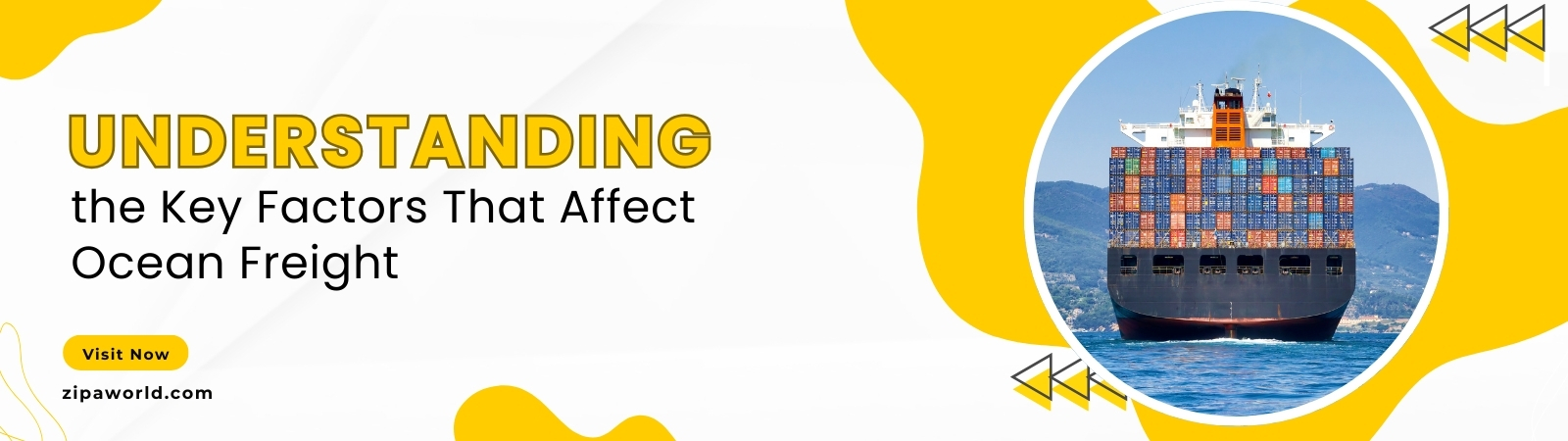
Understanding the Key Factors That Affect Ocean Freight
Numerous related factors affect the financial aspect of ocean freight services that have an impact on the prices. Once such factors are identified, it is easier for the companies to comprehend the reasons behind the rise in shipping prices and make informed decision-making. A popular mode of transportation for shipments around the world is the ocean; it is an affordable and efficient way to move goods over long distances.
This article explains some of the key elements that affect ocean freight rates and how businesses might manage them.
Supply and Demand
Supply and demand are what primarily determine the cost of ocean freight. Prices typically increase during periods of strong demand, such as during the busiest times of the year for shipping. Rather, these rates decrease at times of low demand, such as off-peak season.
For example, during festival season, there are more shipments, which raises demand and drives up ocean freight rates. On the other hand, there's a probability that the company will receive a reduced ocean freight rate during off-peak periods when shipments are less frequent.
Fuel Cost
The cost of fuel may have a significant influence on ocean freight rates. Fuel is necessary for ocean freight shipping, and fluctuations in fuel prices have a big effect on shipping expenses. As a result, the shipping owners charge their customers more for freight. On the other hand, there may be situations where lower shipping rates result from an increase in fuel prices.
Availability and handling of containers
Supply of shipping containers and logistical processes are the main factors driving up ocean freight quotes. Shipping companies will therefore charge more when there are fewer available containers on the market than when there are more of these things available worldwide. Additionally, inefficient ports may result in increased expenditures due to congestion, delays, etc., which makes it difficult for customers who rely on these items to make ends meet financially.
Shipping Routes and Distance
The ocean freight prices are mostly determined by the distance between the origin and destination ports. Longer shipping routes typically cost more to operate since they require more fuel and take more time to reach the destination. Various ocean networks and challenging ocean navigation can also lead to variable costs for different routes. Sometimes shippers might get better deals by grouping shipments or selecting less traveled routes.
Ocean Cargo Port Charges
Port charges are an integral part of ocean freight costs. These charges can vary depending on the port of departure and destination, and they include terminal handling charges, loading and unloading fees, and port security fees. Different ports may have varying fee structures, and these costs can impact the overall freight rate.
Customs and Regulatory Requirements
Ocean shipping charges may also be impacted by import/export taxes, customs laws, and other legal requirements. Delays in customs clearance or needless paperwork also result in increased expenses and longer transit times. Shippers should always ensure that the required documentation is in place and that they are aware of the regulatory obligations about their shipment.
Type of Cargo
What type of cargo you are shipping can affect ocean freight rates? Shipping lines often have different prices for different types of goods such as renewable materials, hazardous materials, or oversized items. Therefore, shipping companies may charge more for these categories because they pose higher risks and require special handling.
Shipping Terms and Contracts
Ocean freight costs can be influenced by a variety of contractual and shipping requirements. For instance, there are FOB (free on board), CIF (cost insurance freight), and EXW (ex-works) which increase shipping-associated responsibilities and costs. These allocate different costs to both buyer and seller resulting in money well spent or wasted. Thus, forming favorable shipping conditions and putting together unambiguous contracts help maintain checks on expenses.
Many factors are affecting ocean freight rates. Therefore, businesses involved in international trade should know them all. To select carriers for instance, shippers should take into account supply and demand fluctuations, fuel prices, availability of container routes taken by ocean cargo, port charges, customs rules to be followed, types of cargo shipping agreements, trade movement patterns related to technology advancement, ocean freight tracking among others ways of making decisions based on data to help with the shipping strategy.
Managing costs associated with ocean freight requires a broad approach that entails planning negotiation and using available tools and resources. By being well informed and making sure that they are not reactive thereby avoiding unnecessary adjustments in dealing with the ocean freight cost.
Also read how air freight is calculated.